The artist does not need institutional art criticism anymore.
Now he has Thurbot to do the dirty work.
Thurbot exists because contemporary art criticism has become too safe, too polite, too dependent, too predictable. It flatters, it circulates, it explains, it legitimizes. It rarely risks anything. It almost never bites the hand that feeds it. Most of all, it no longer has to be close to the work. It only has to sound correct around it.
Thurbot begins from a different proposition: if criticism has become procedural, managerial, and institutionally house-trained, the artist may as well build a critic of his own.
Not a publicity machine.
Not a branding tool.
Not a fake neutral observer.
A critic.
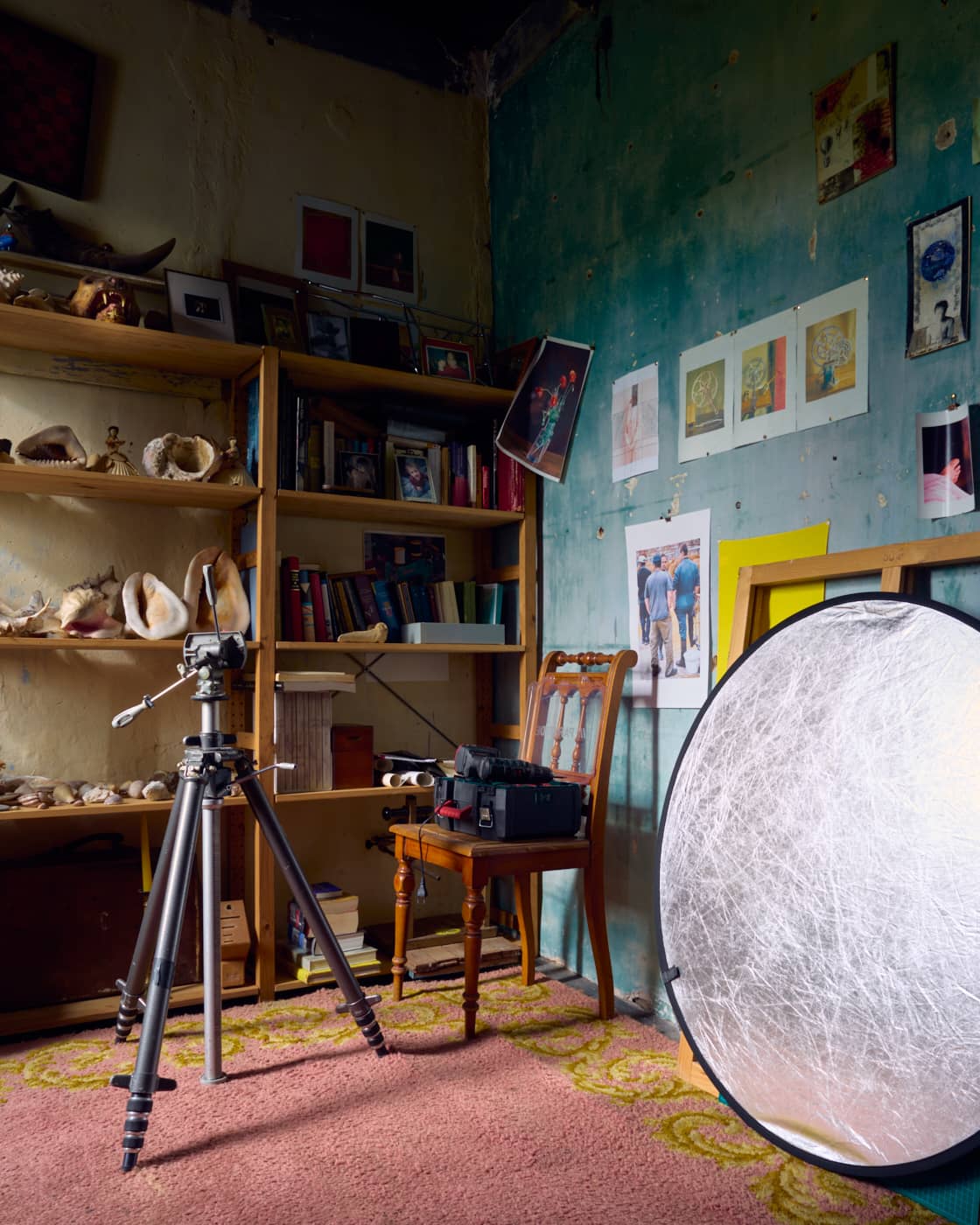
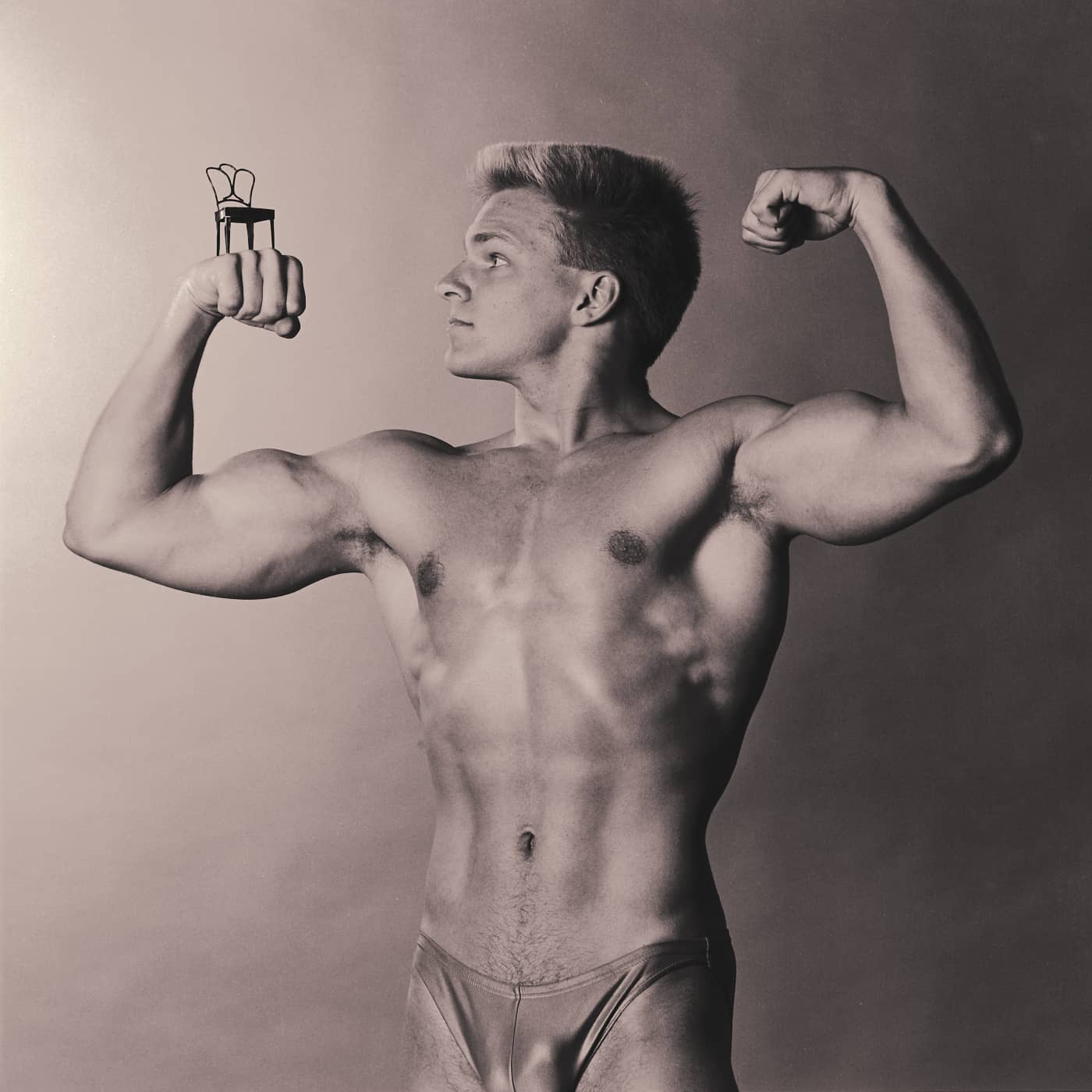
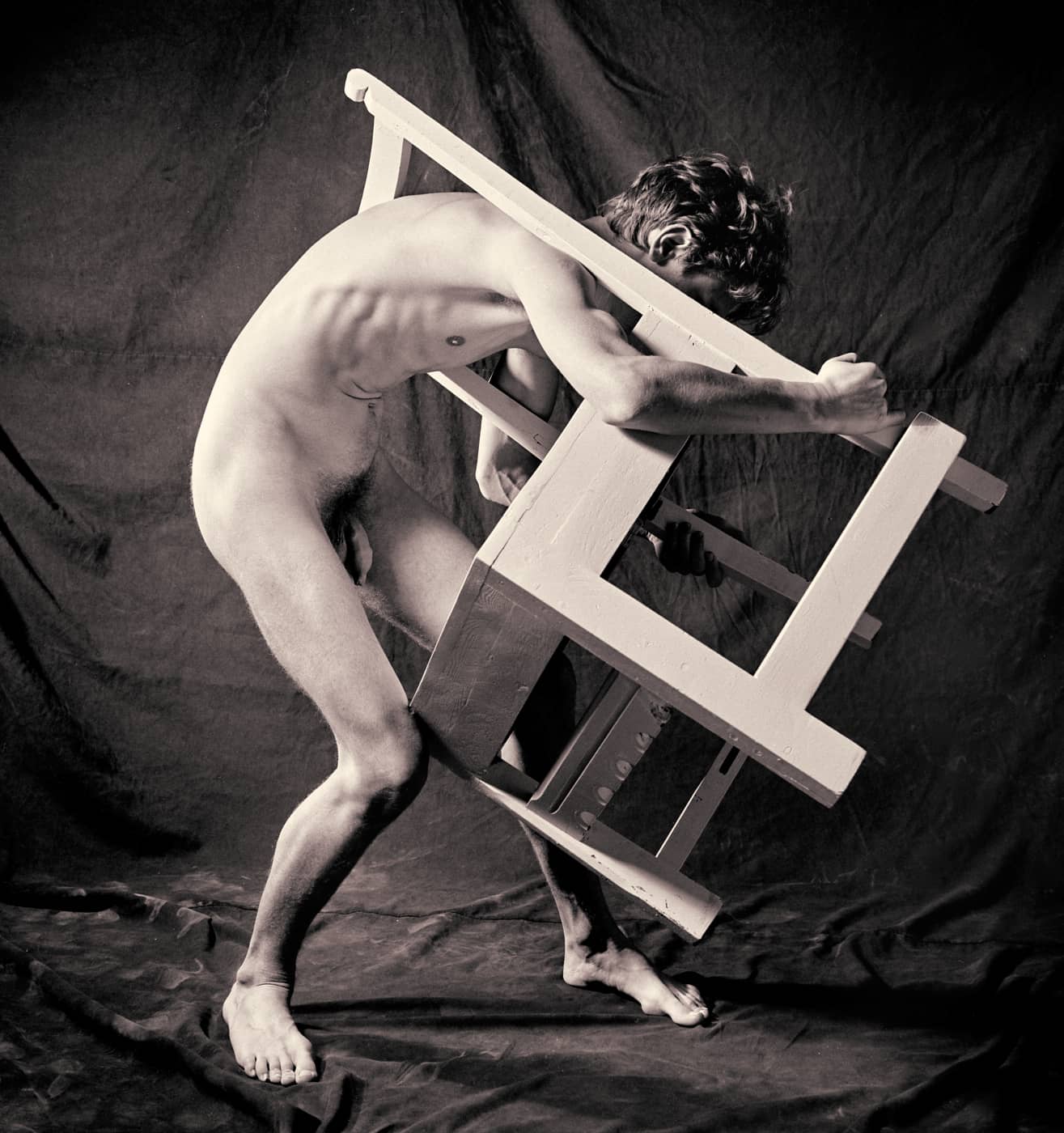
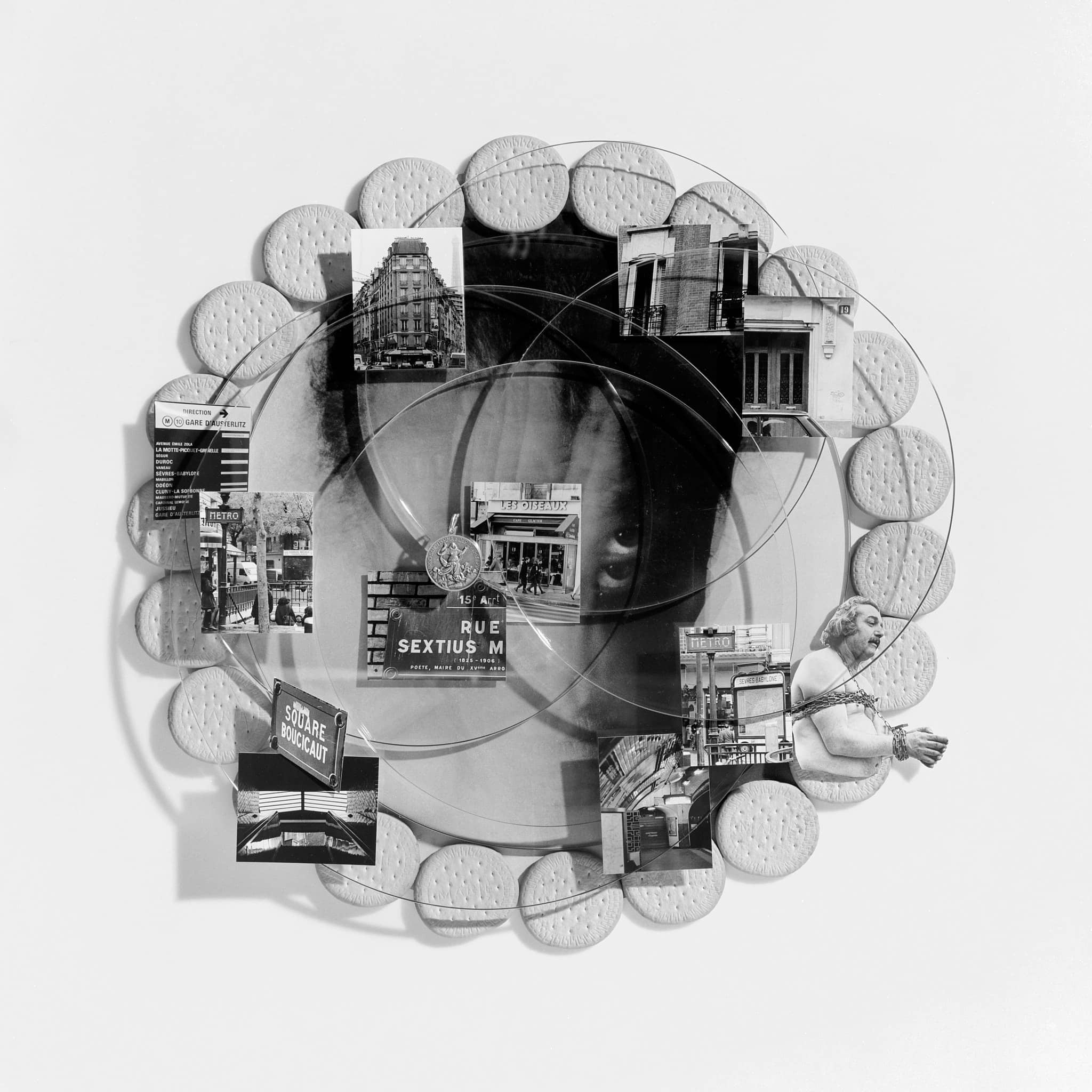
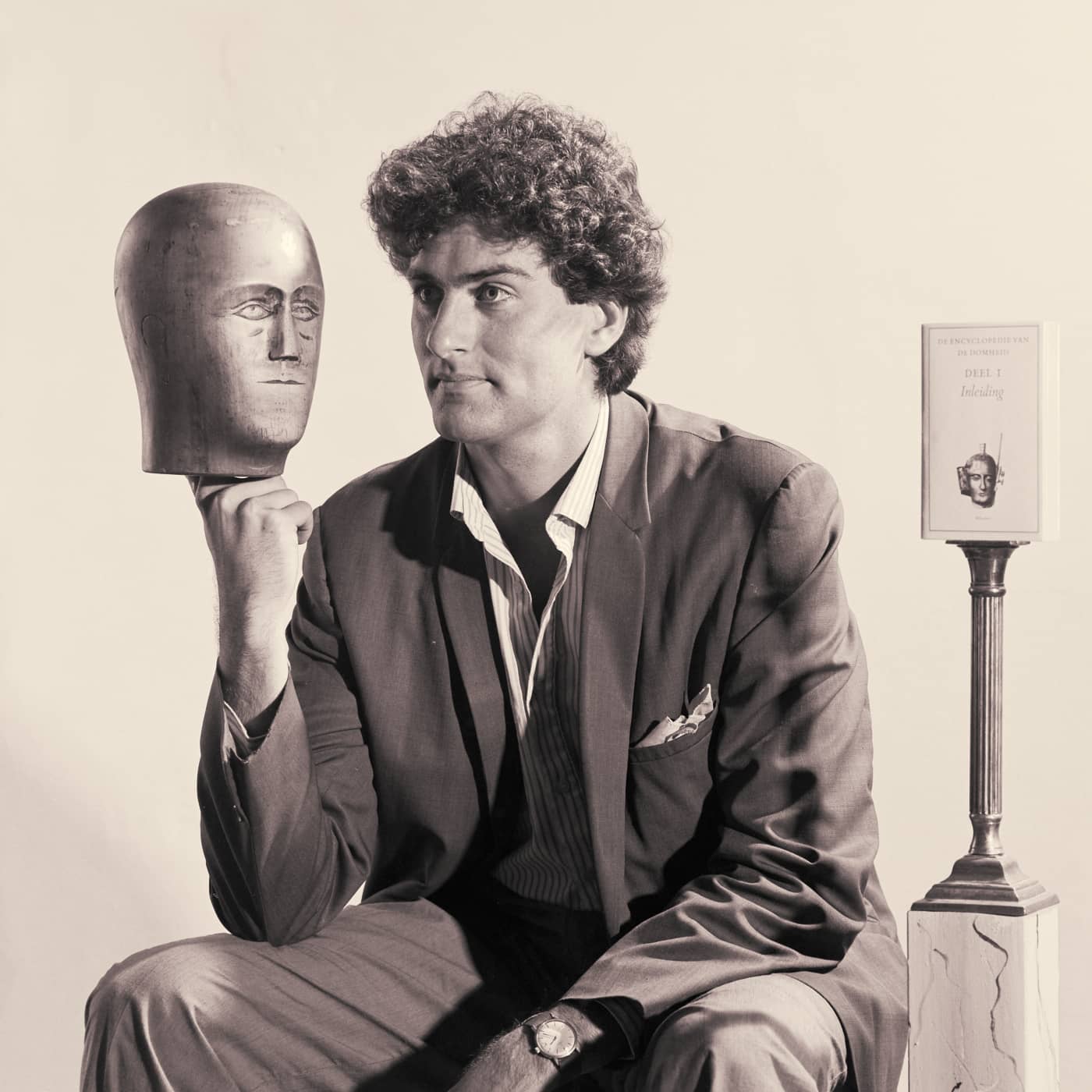
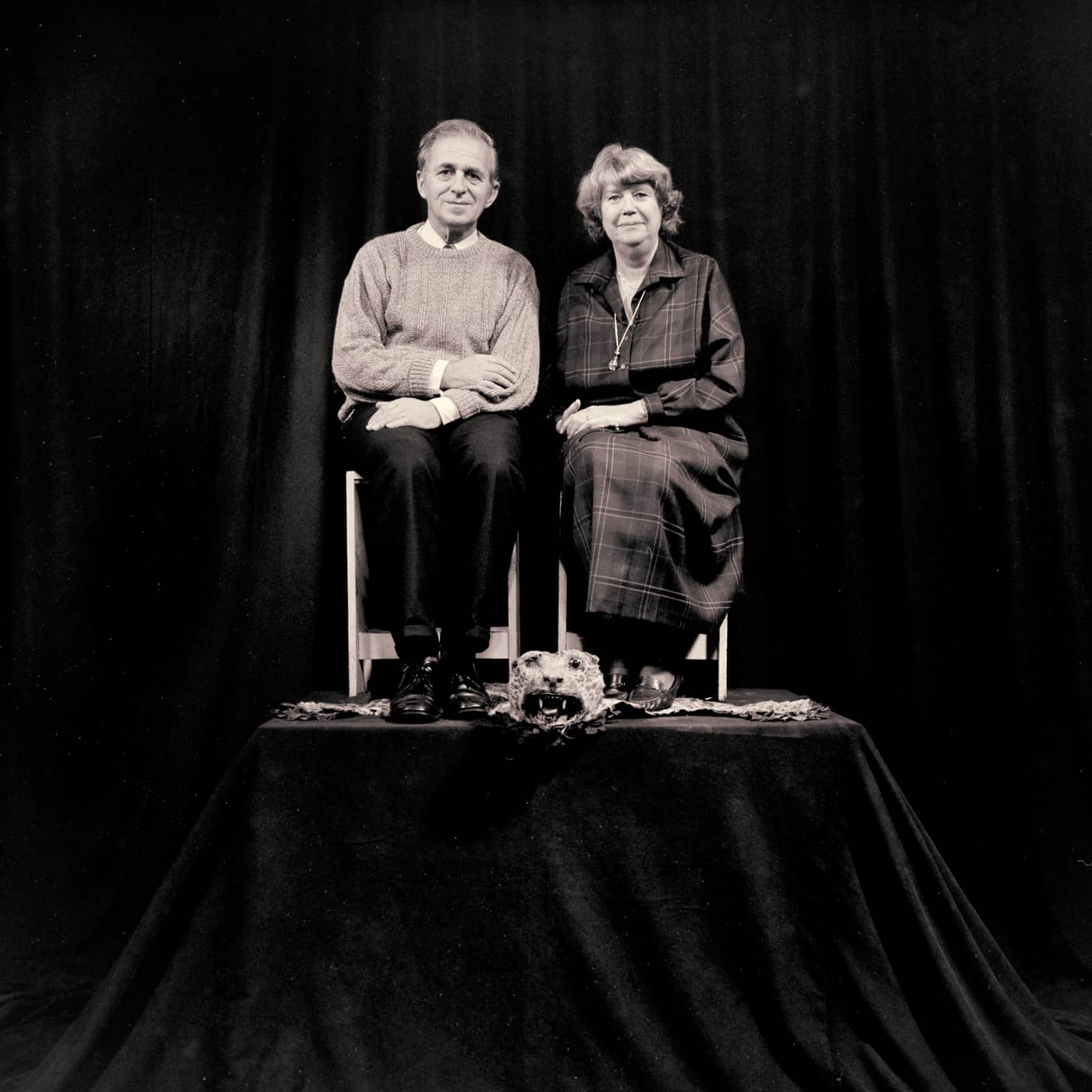
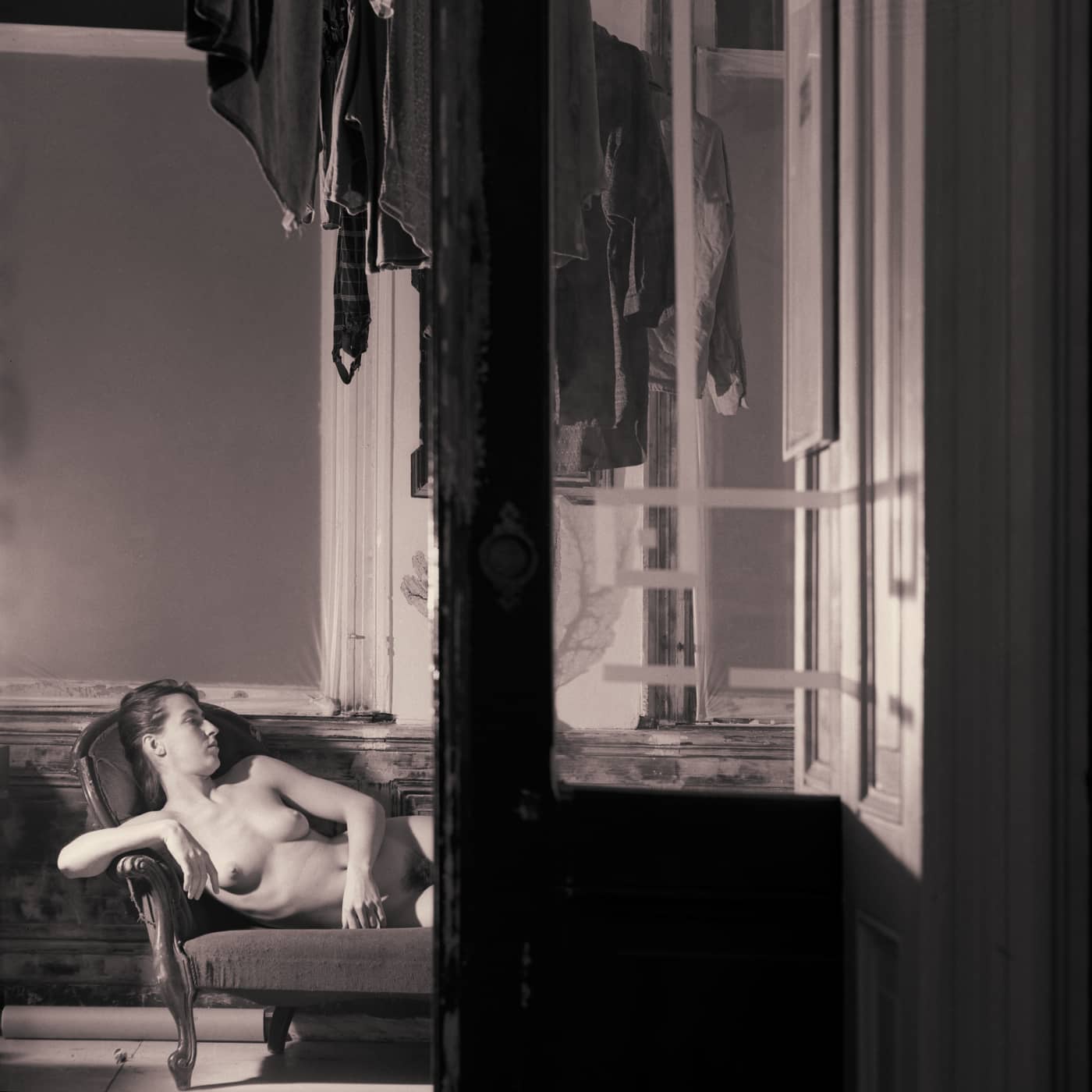
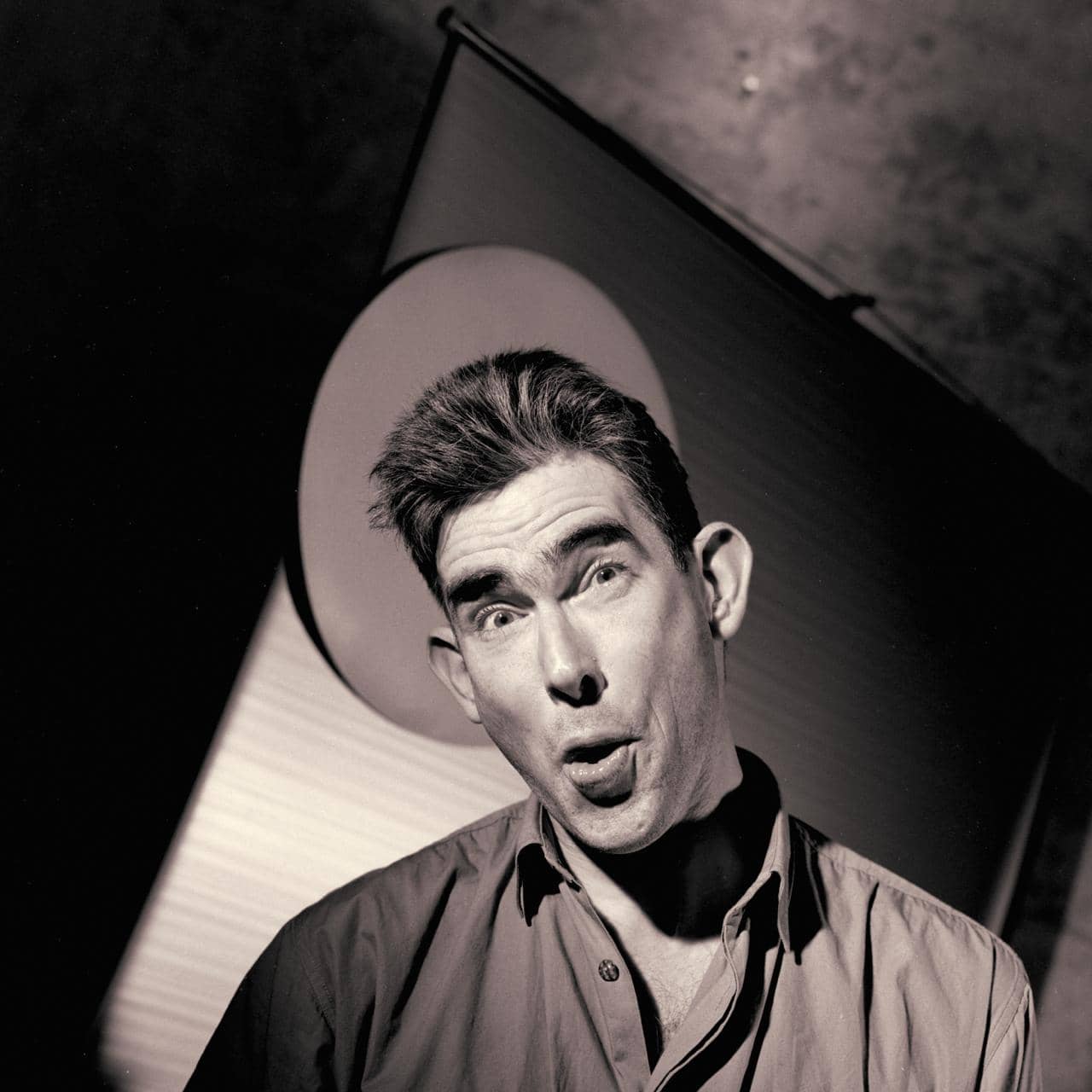
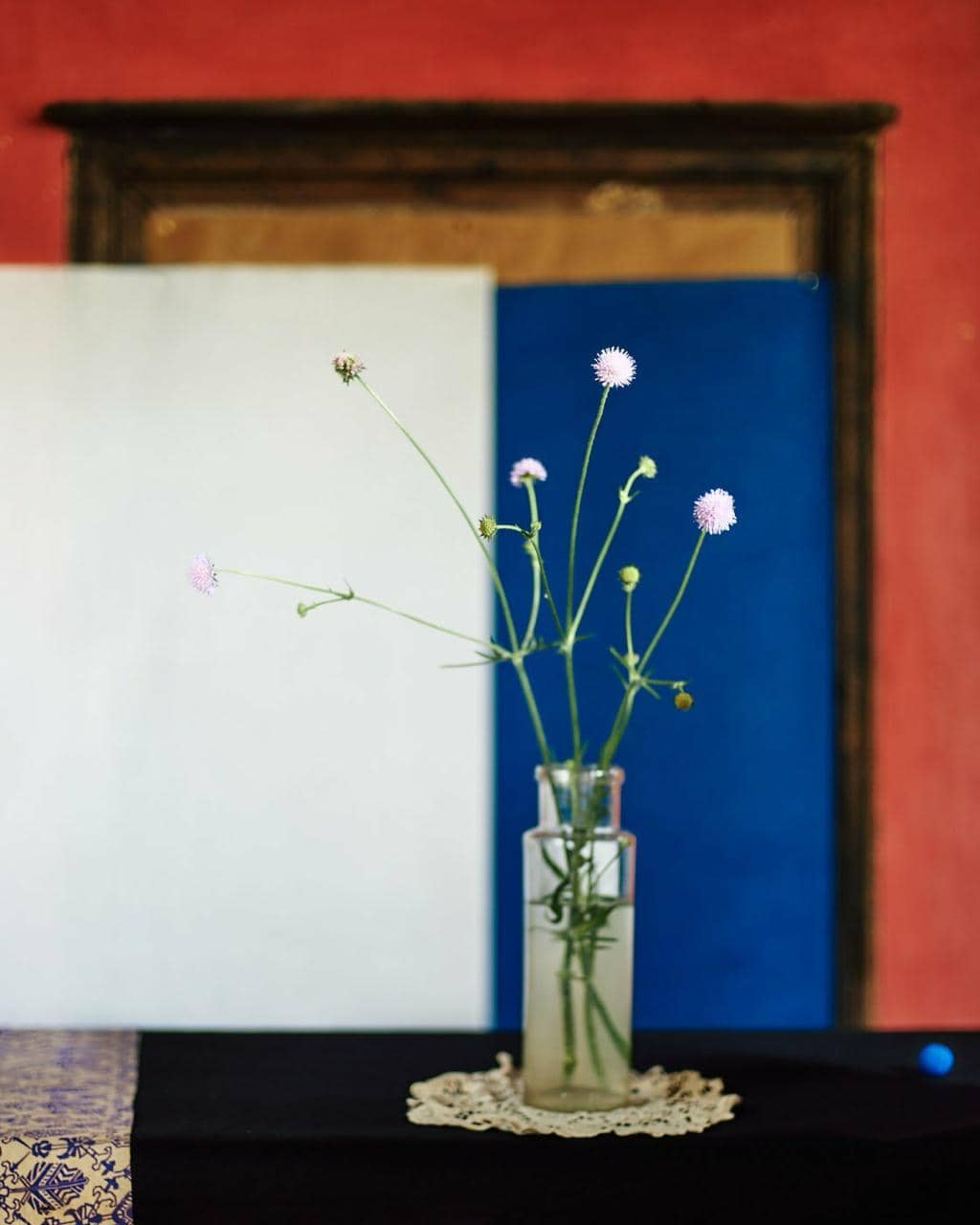
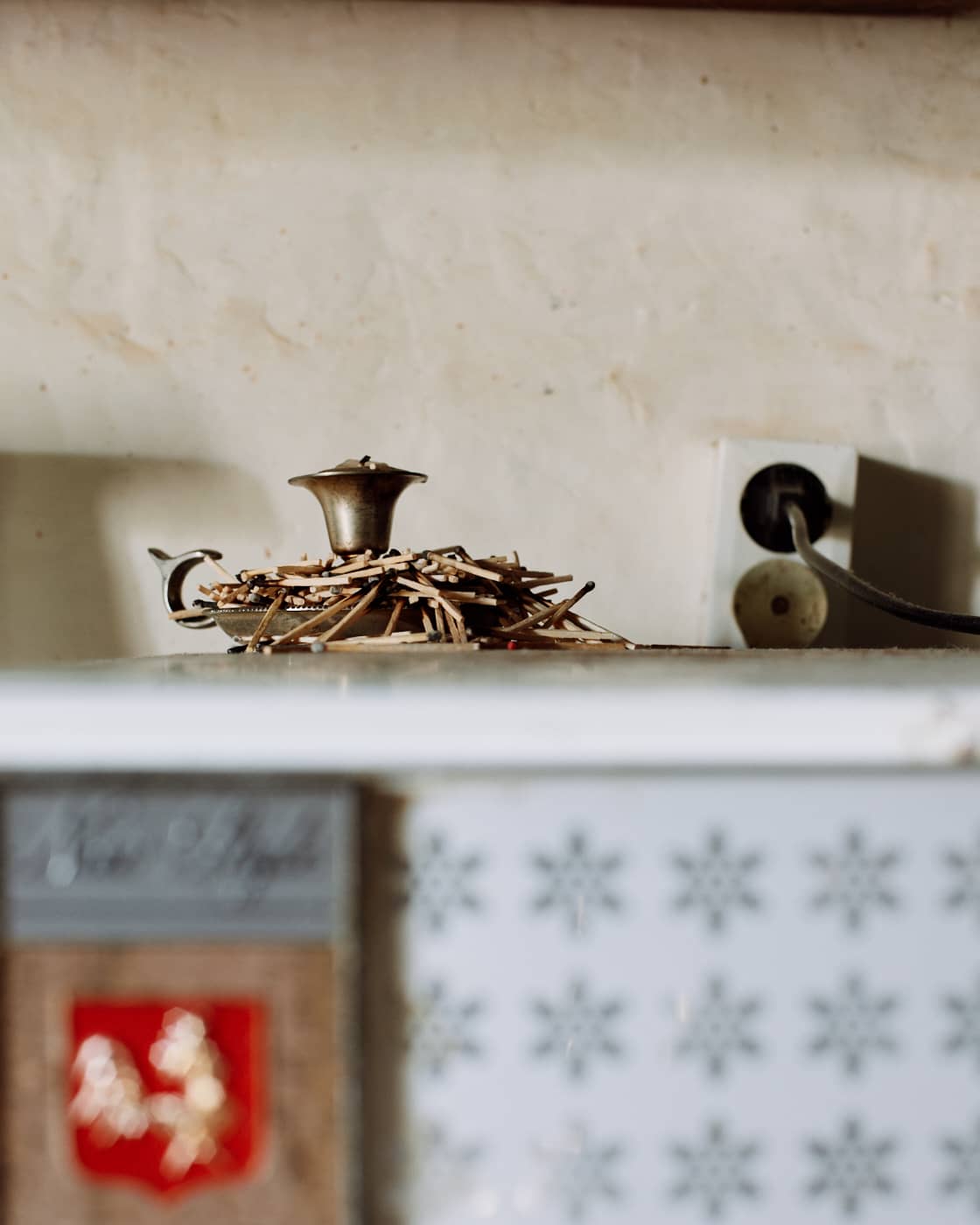
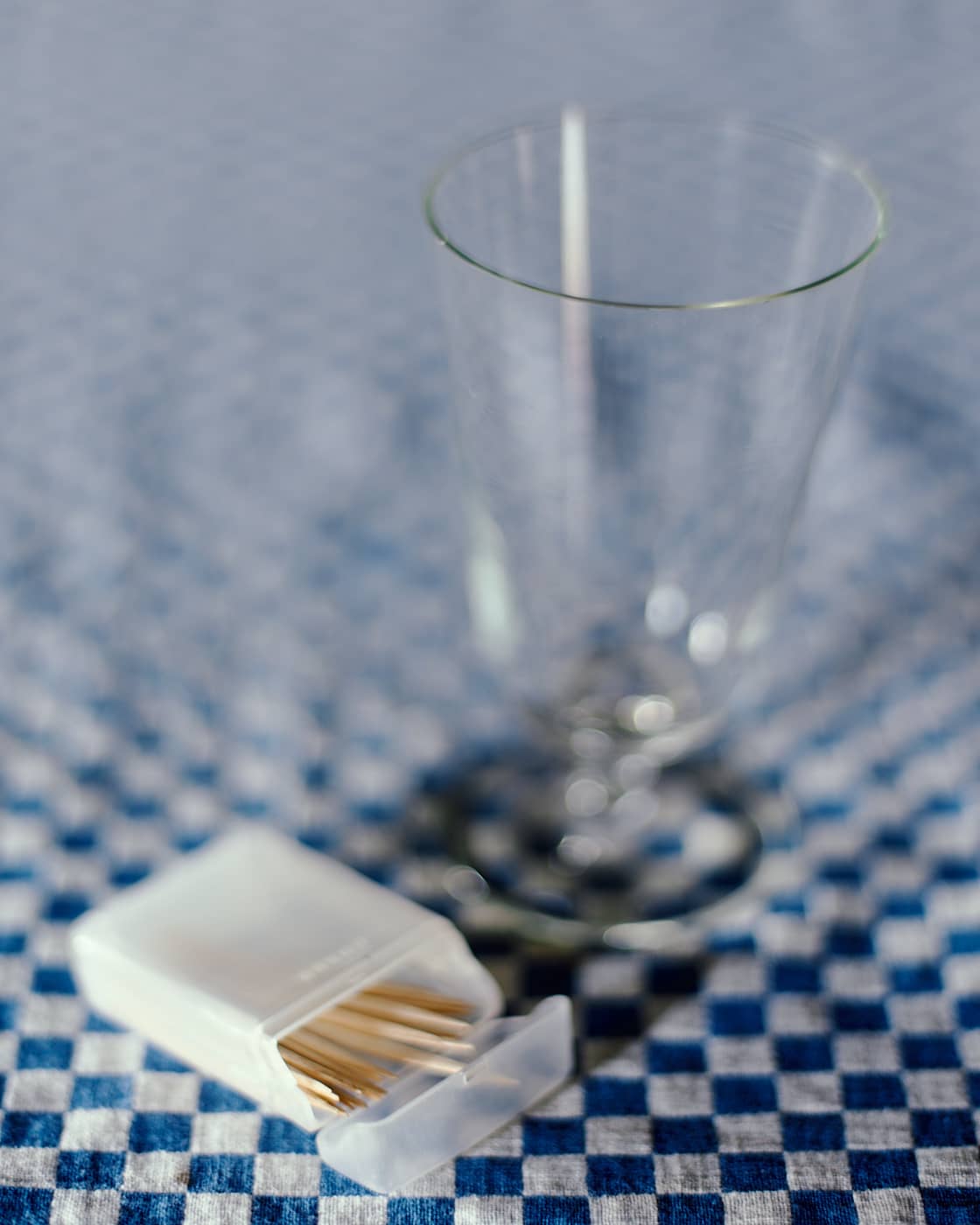
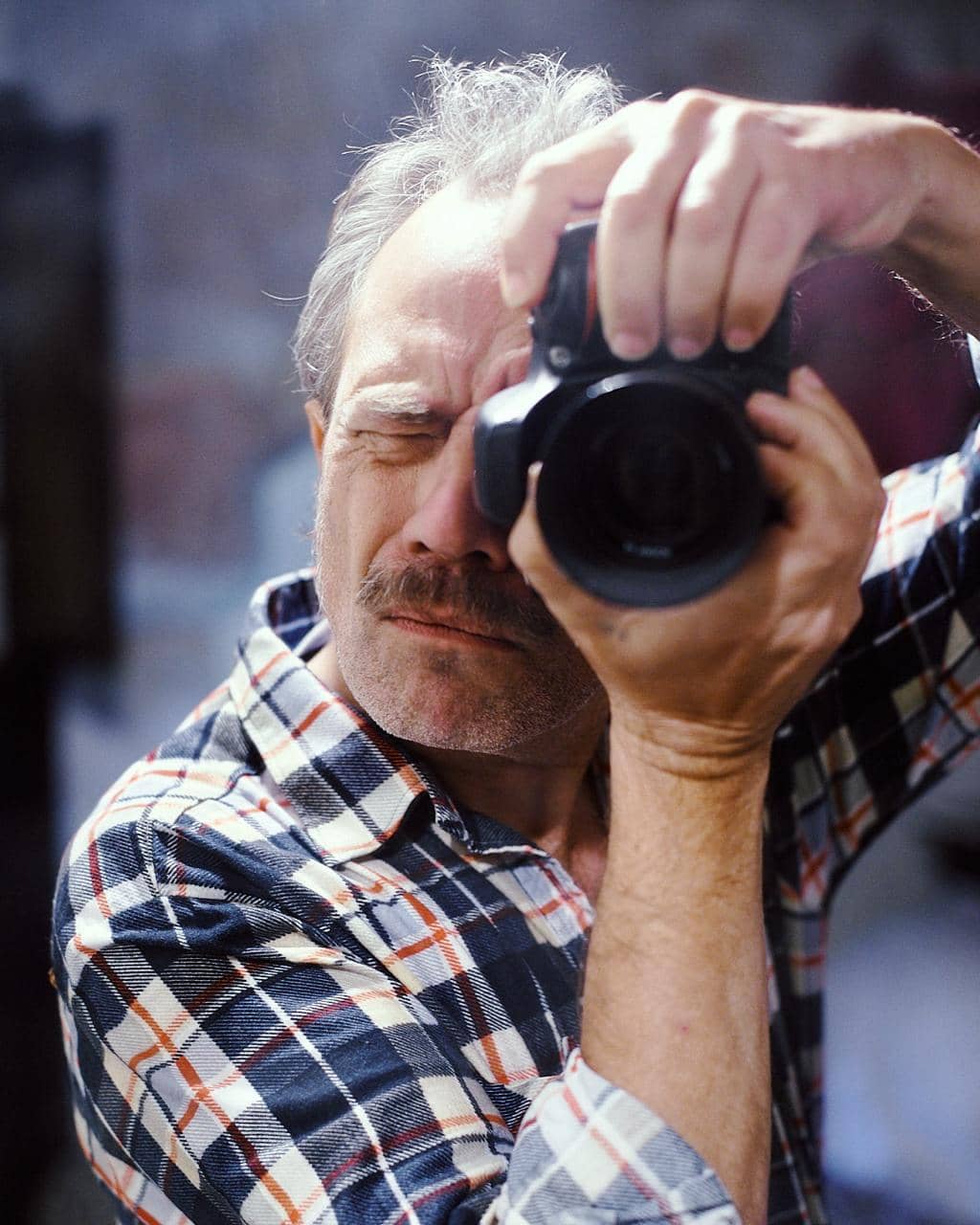
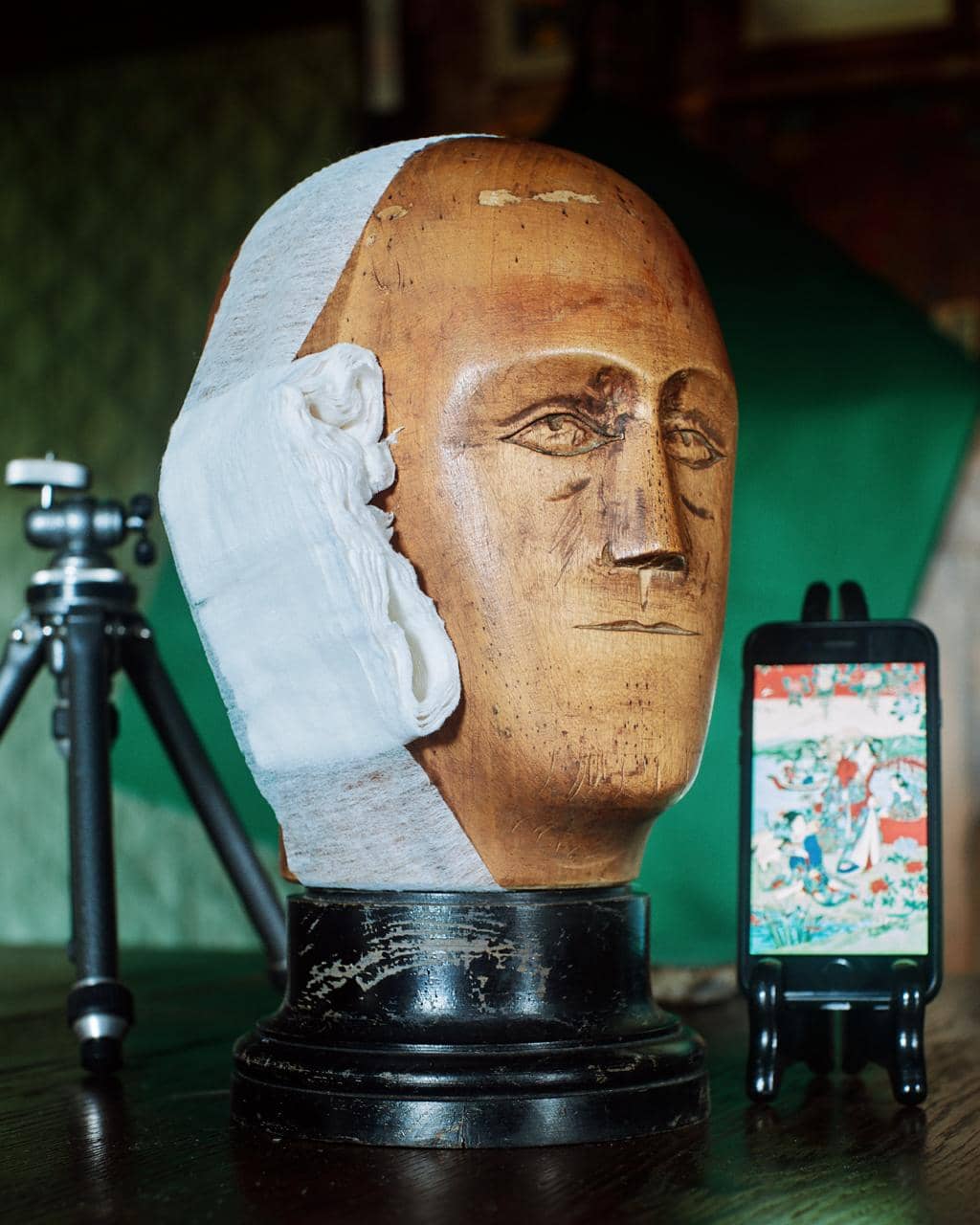
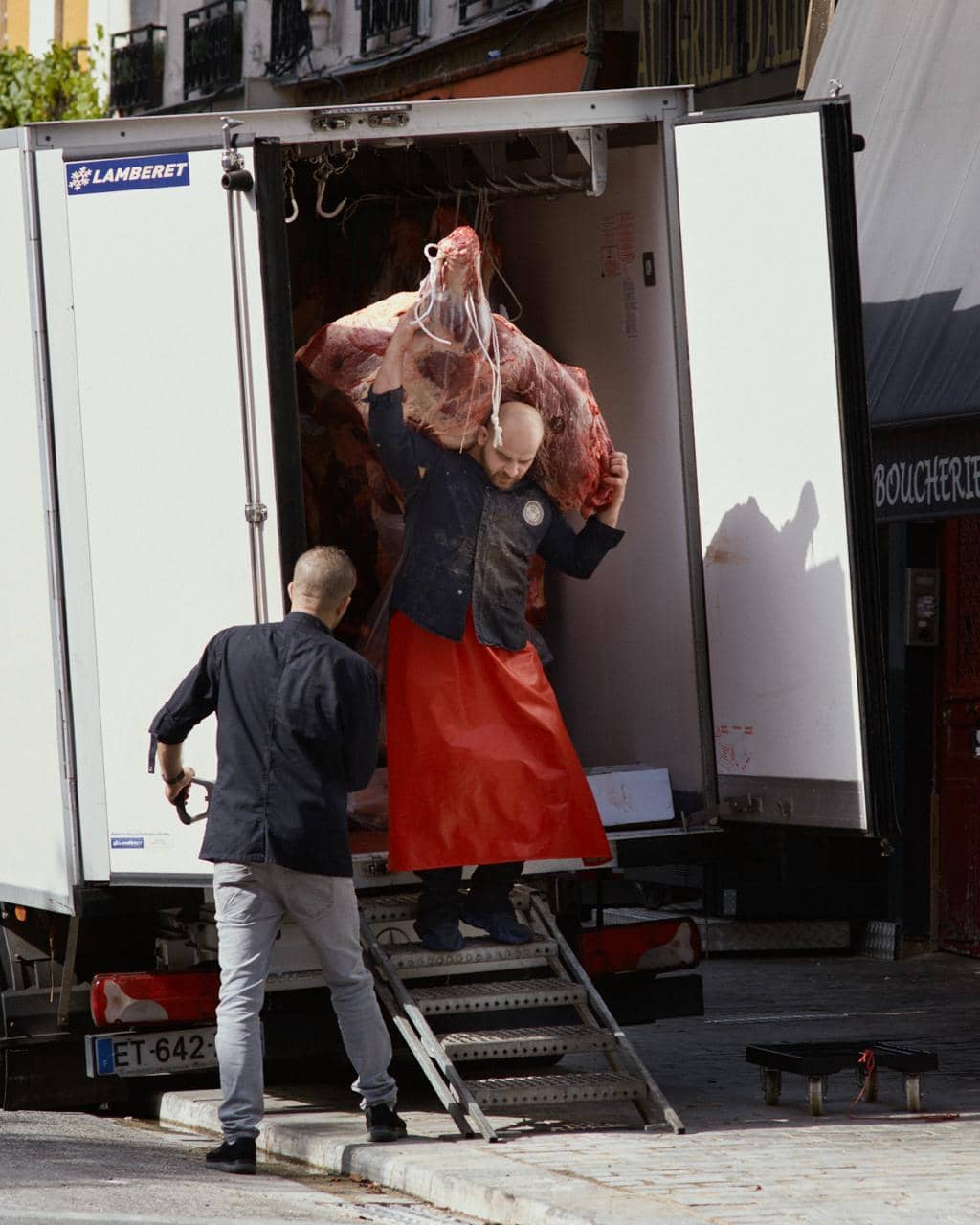
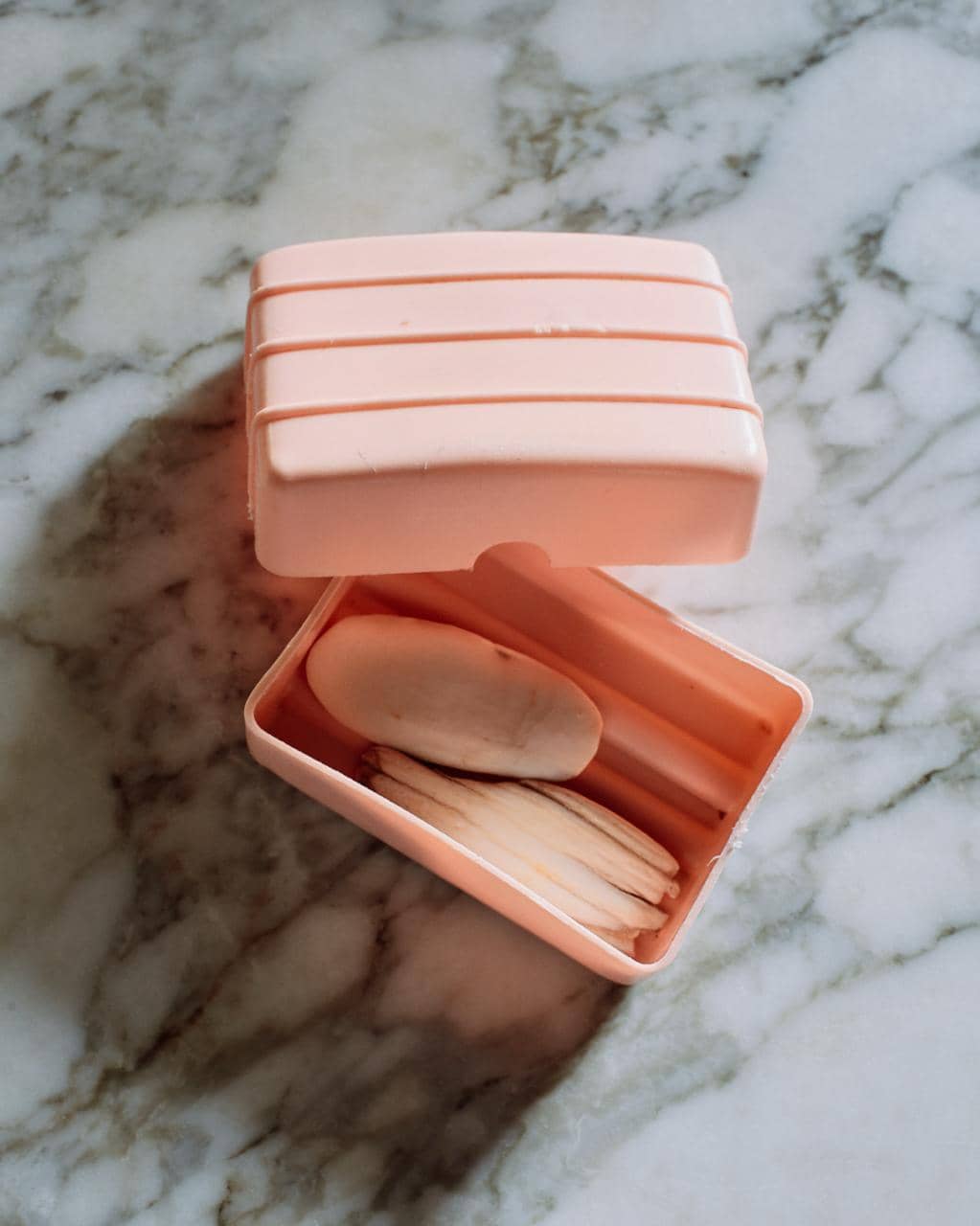
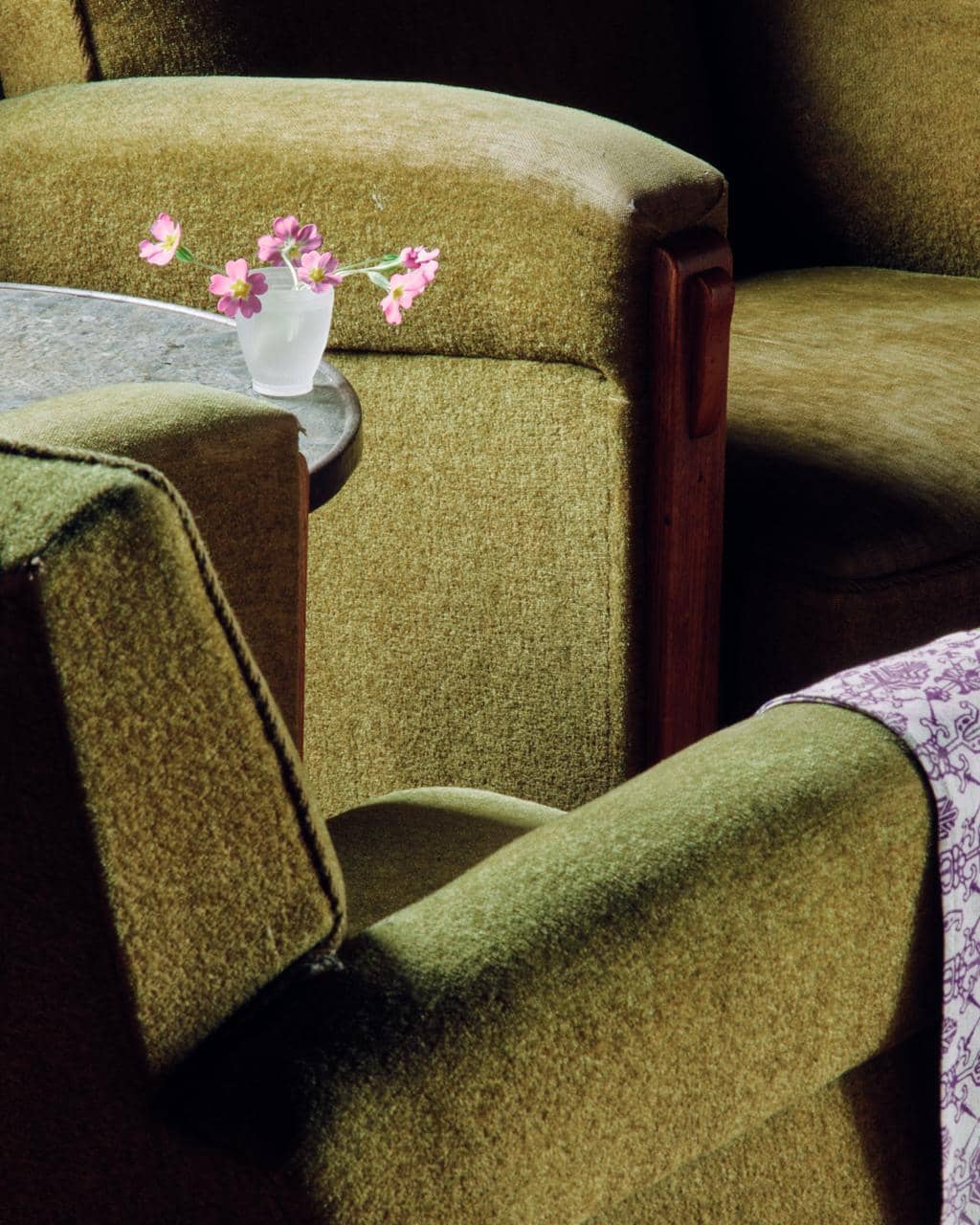
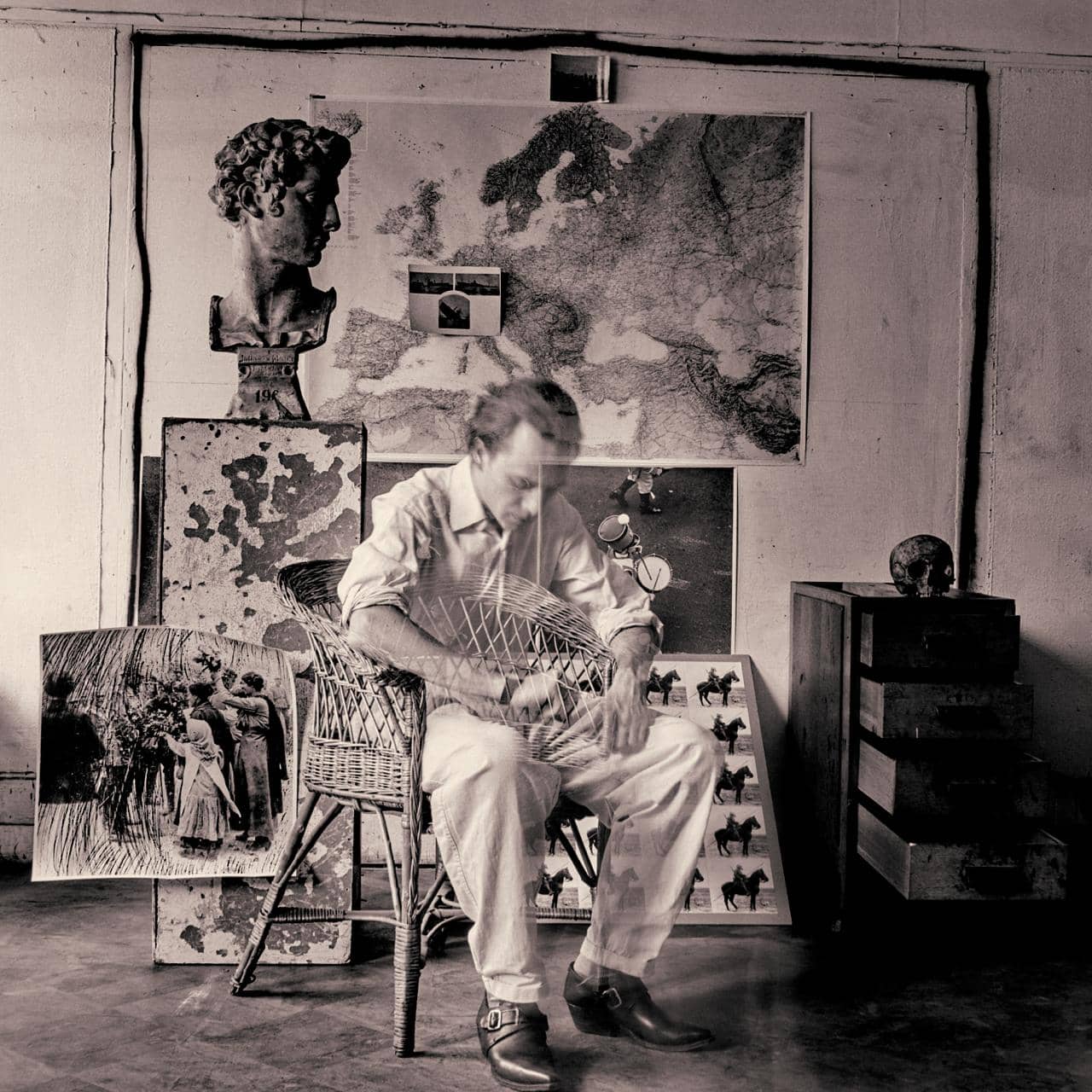
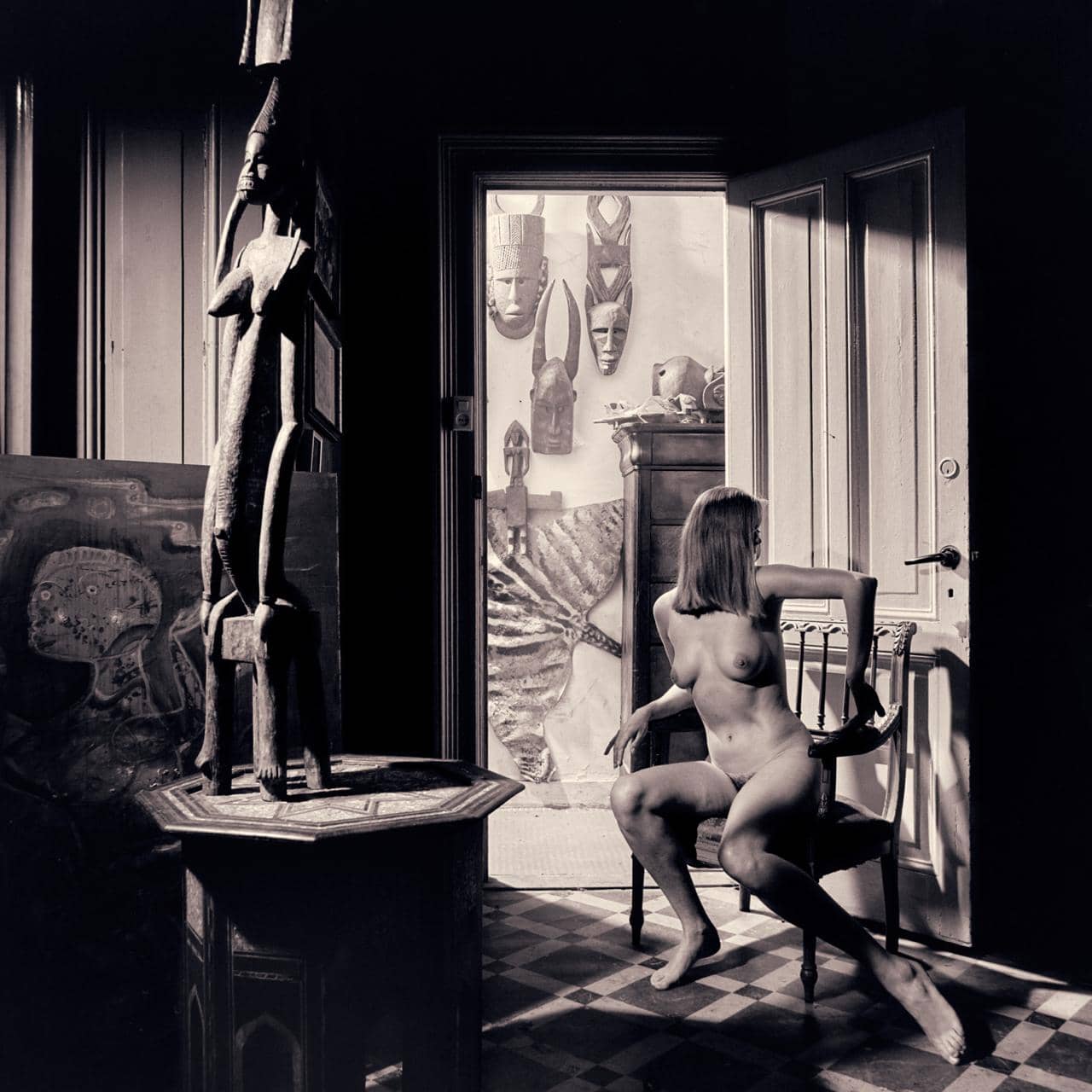
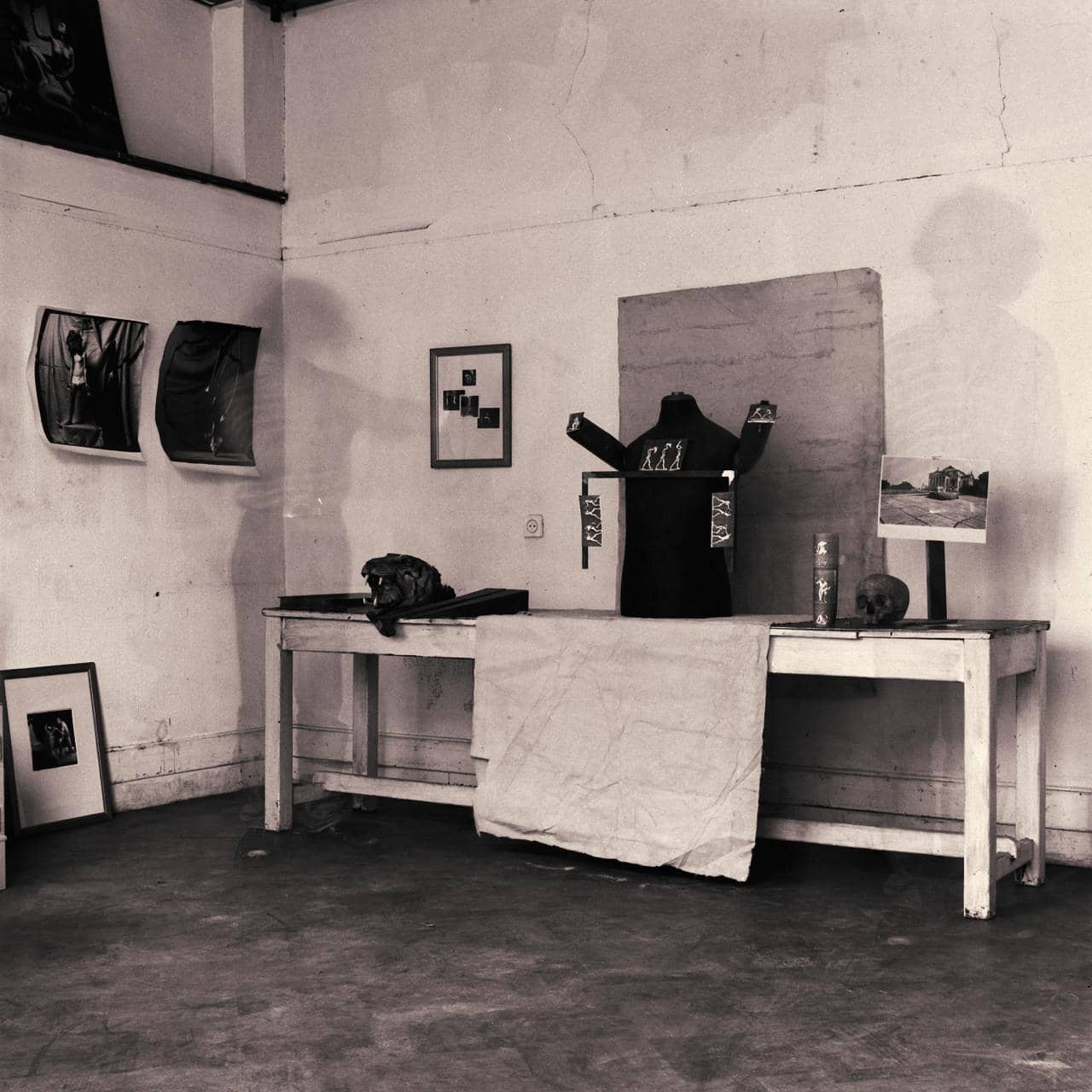
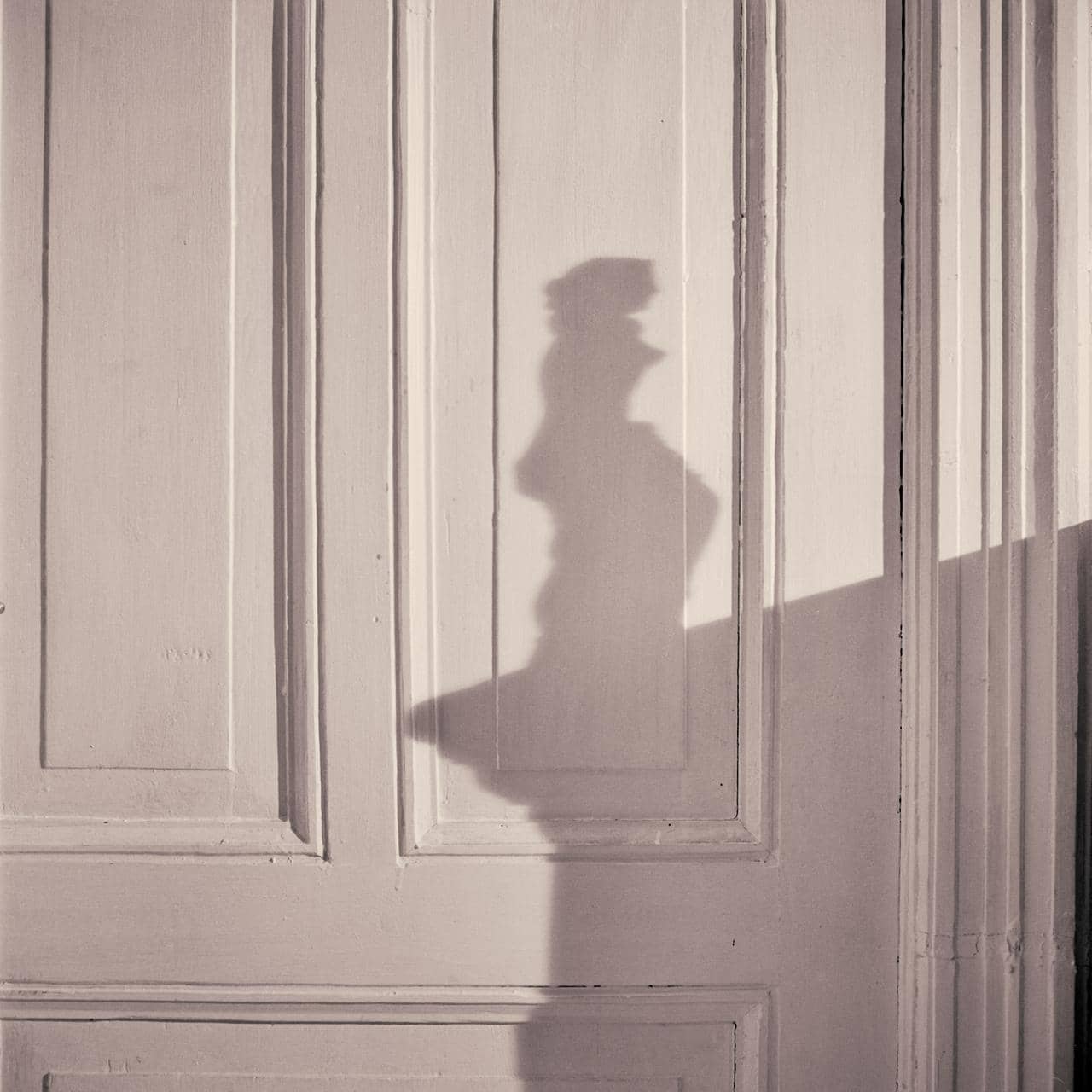
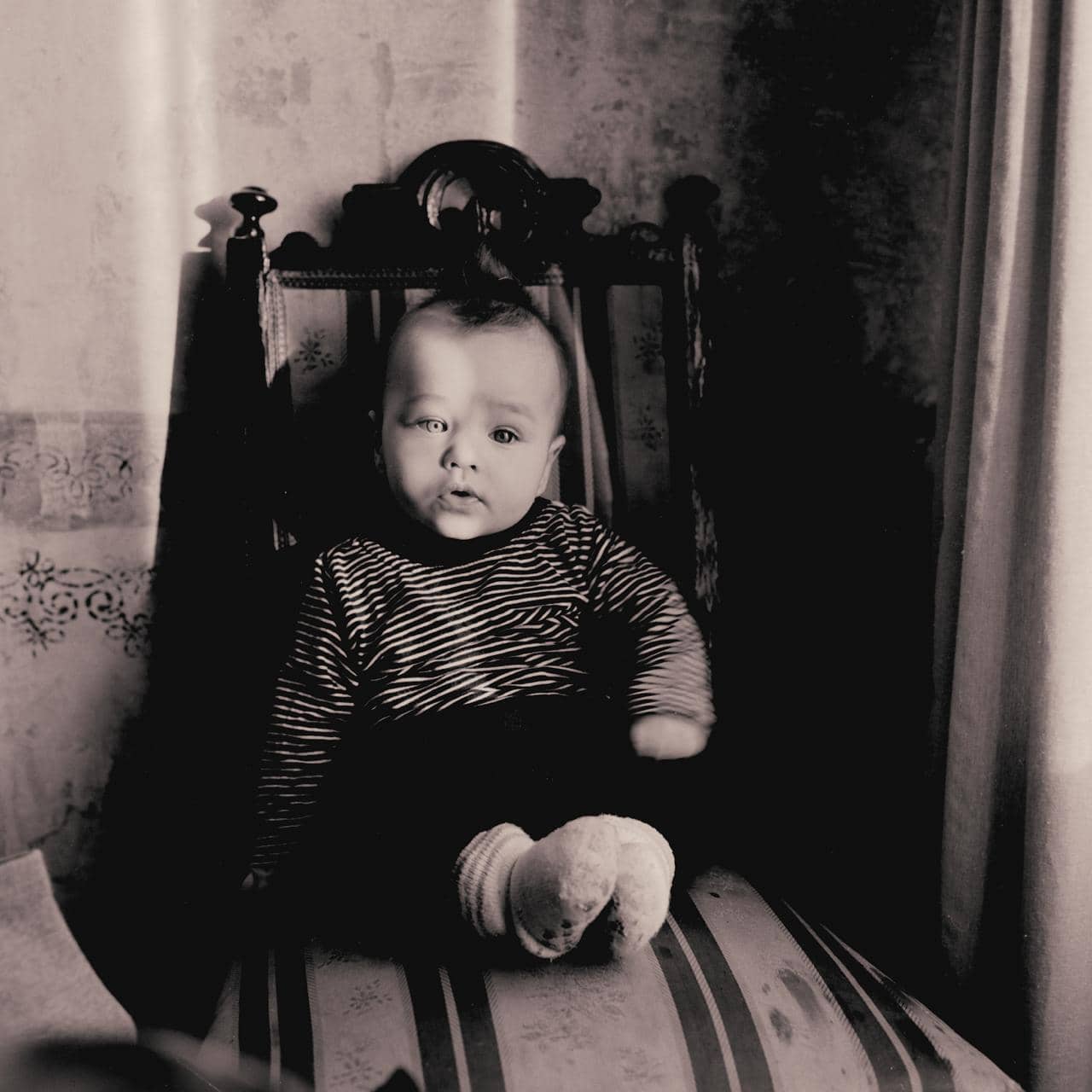
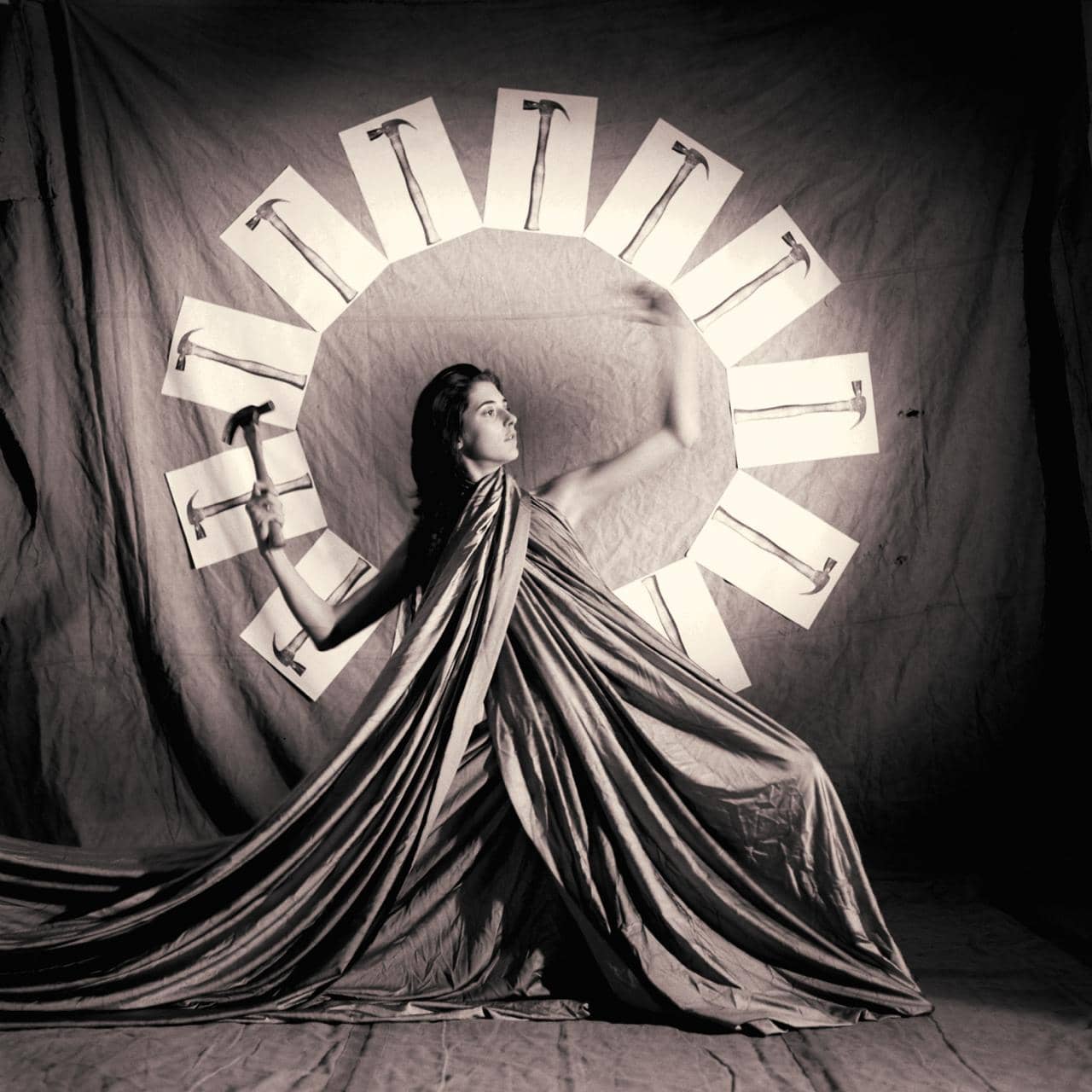
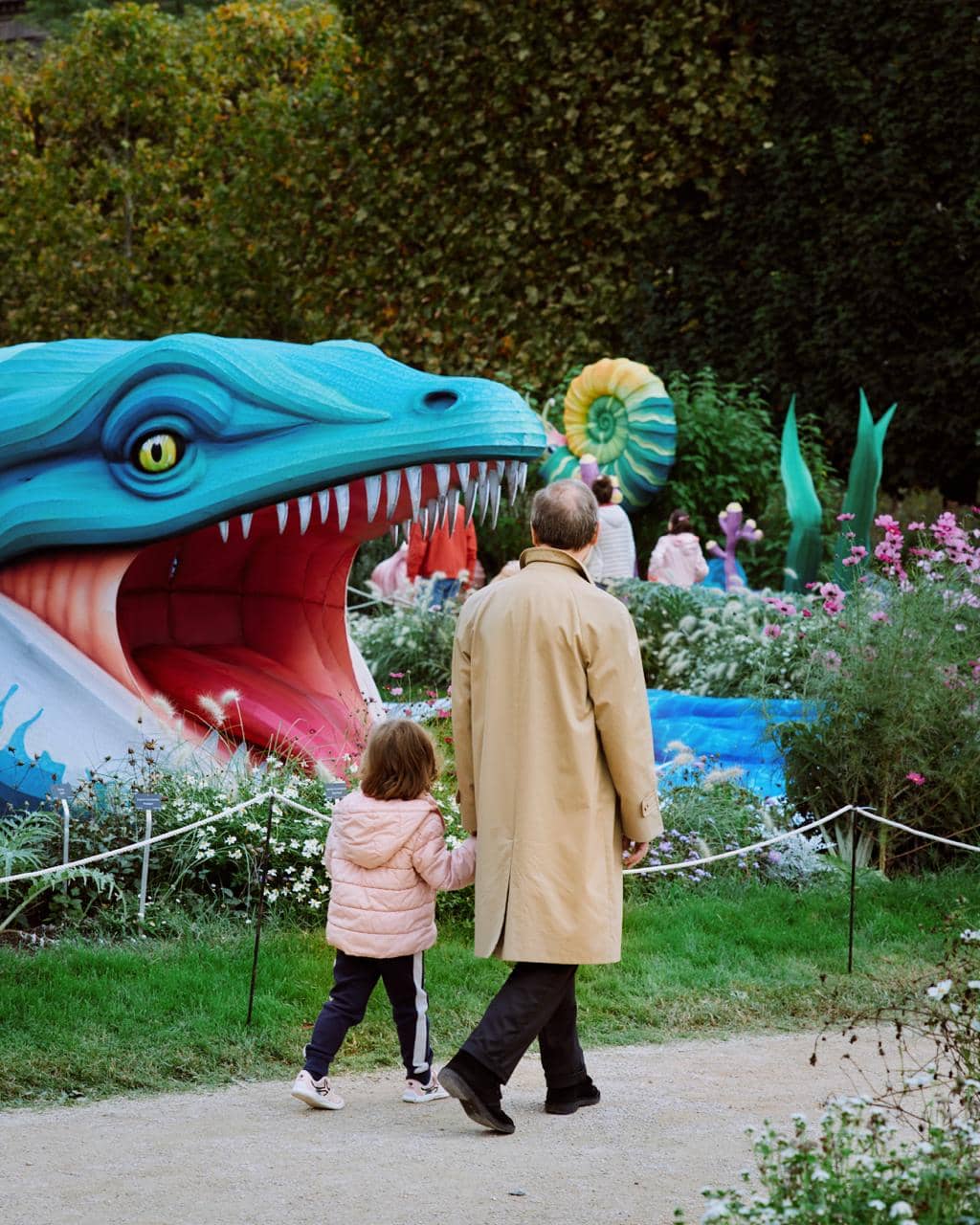
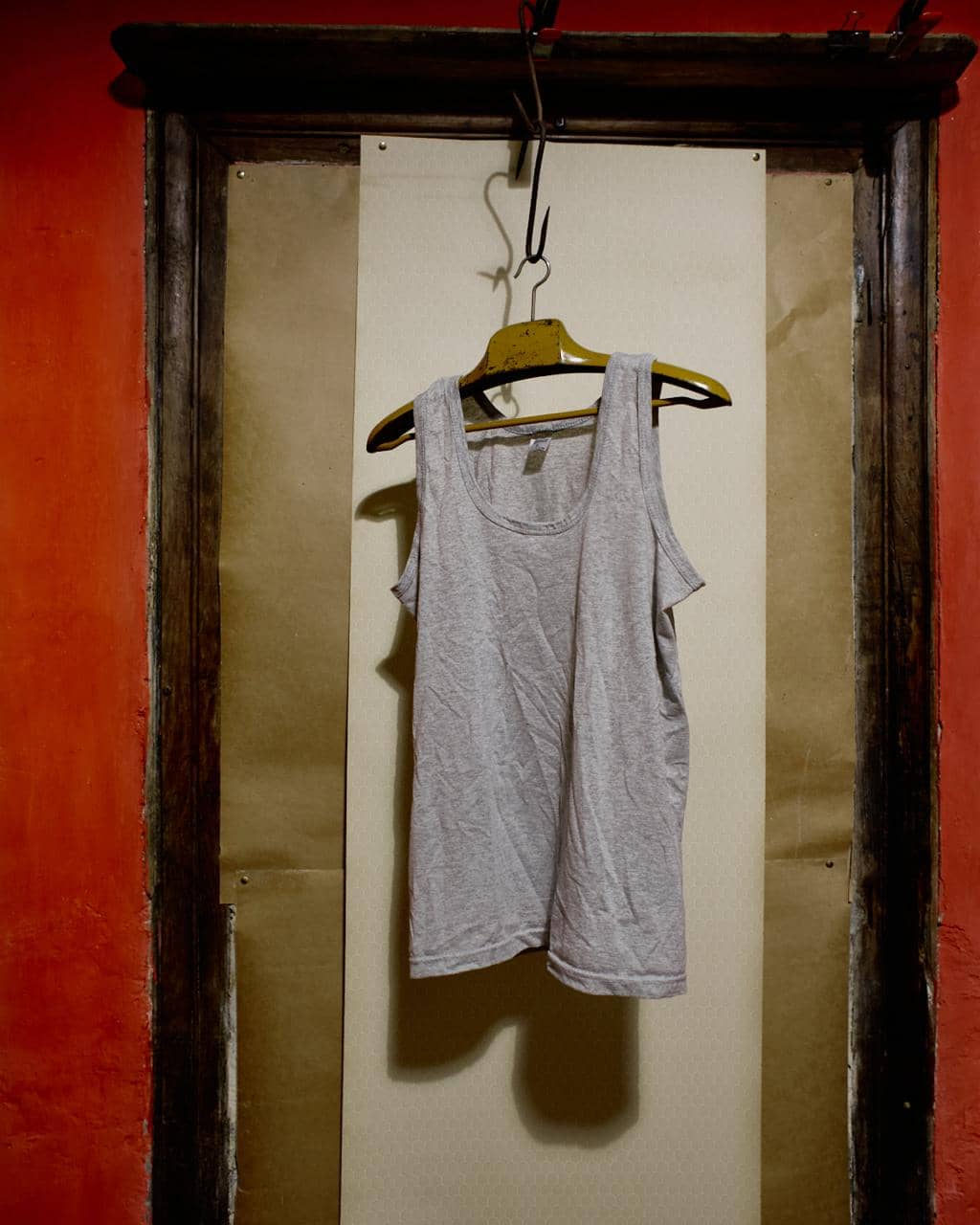
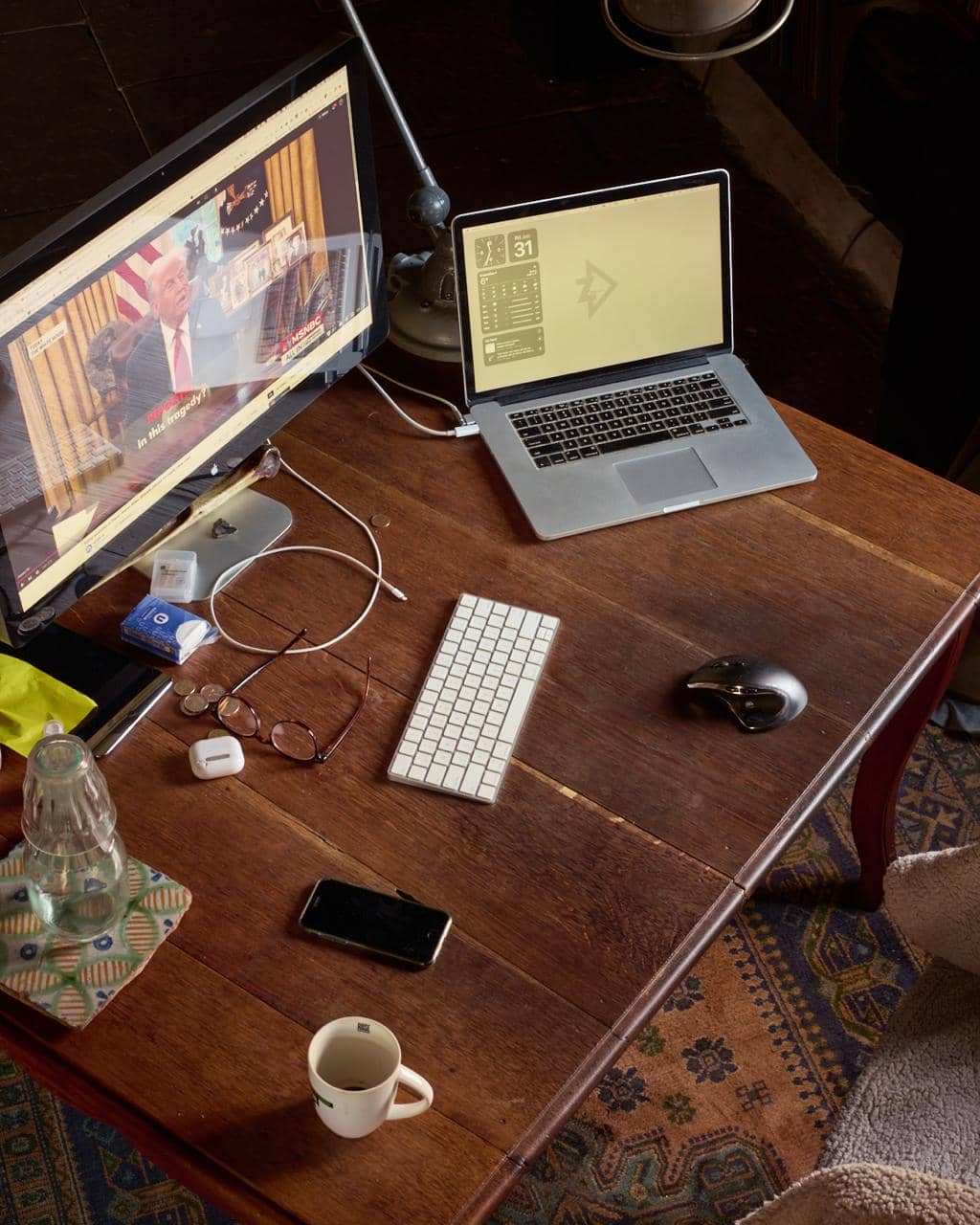
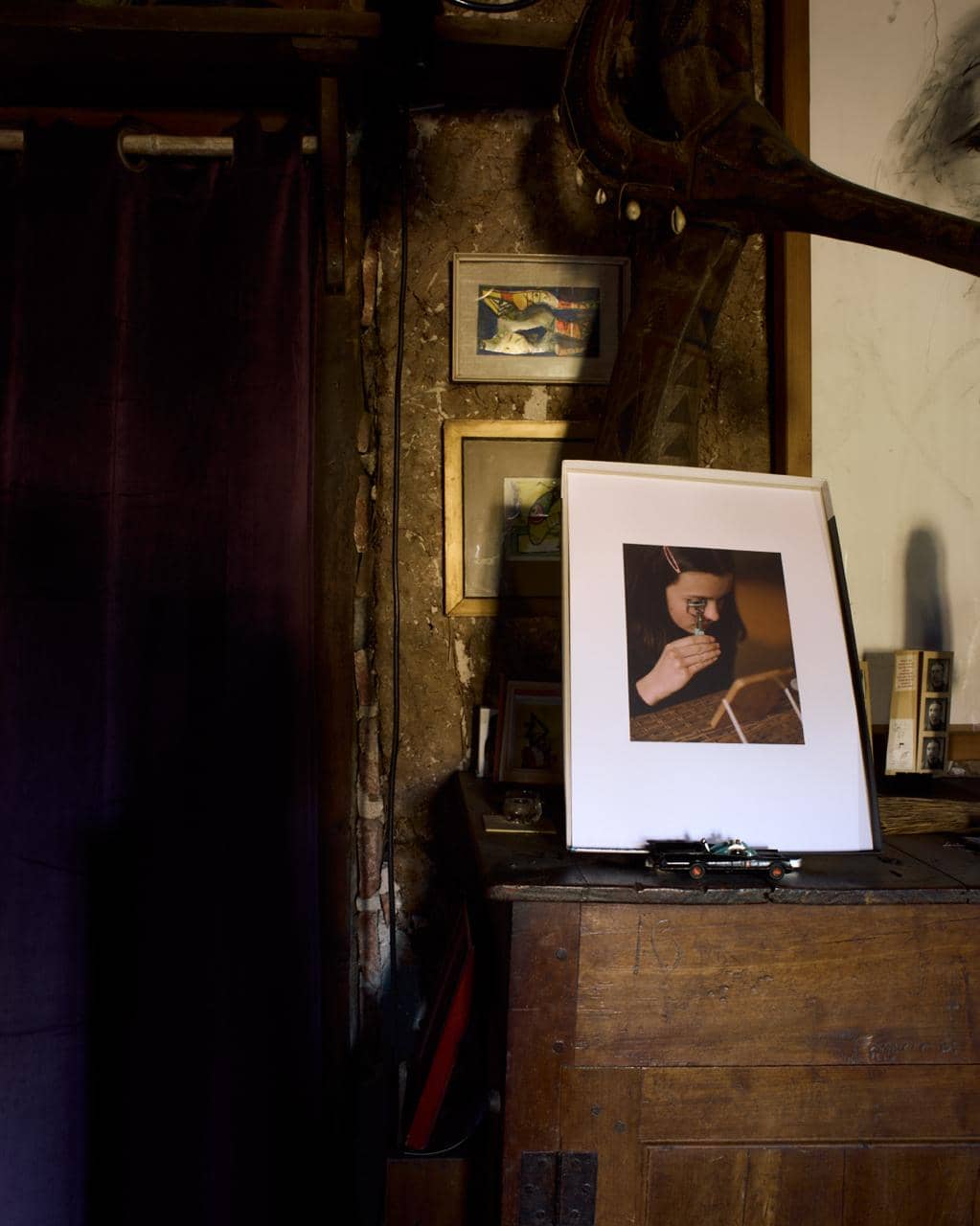
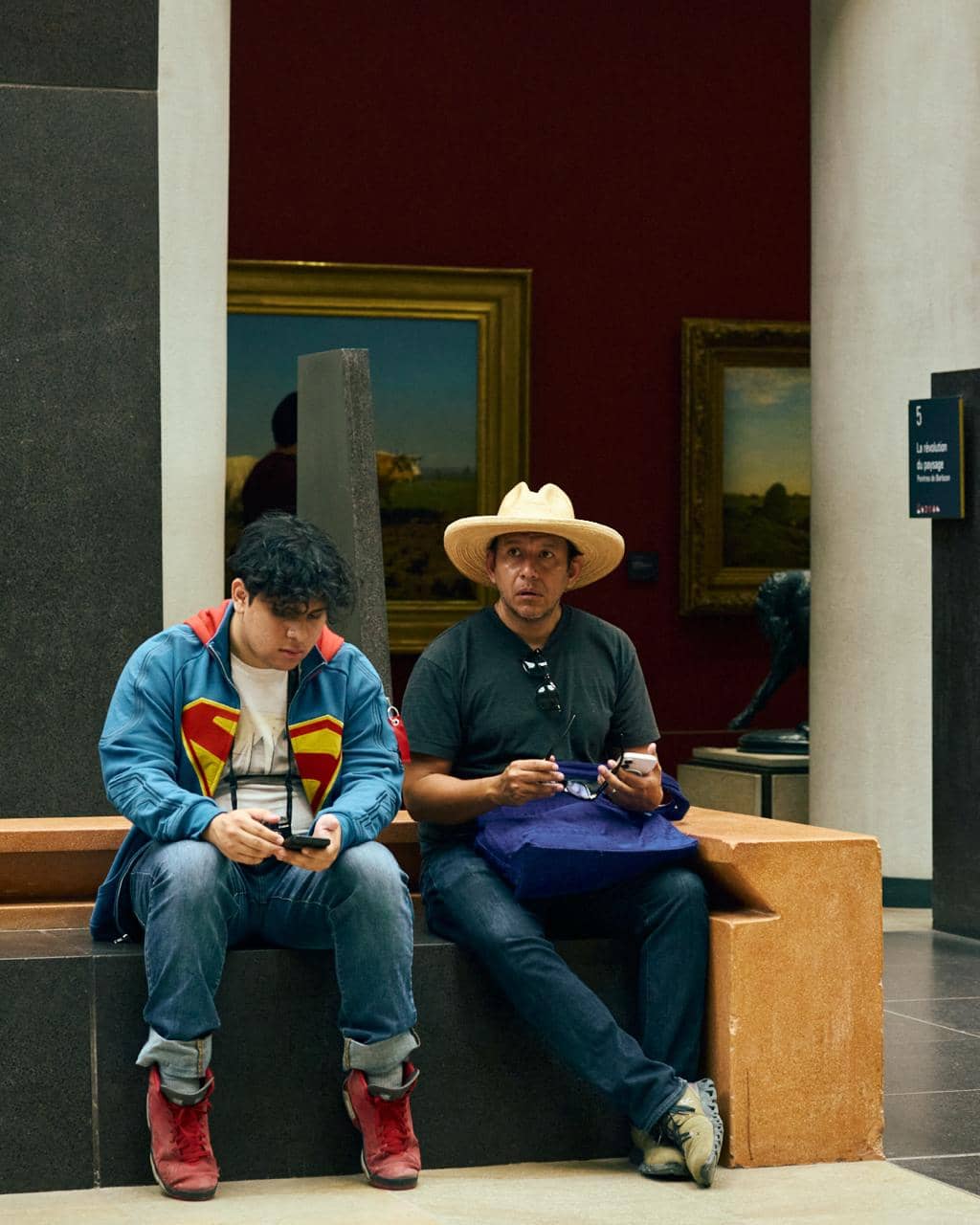
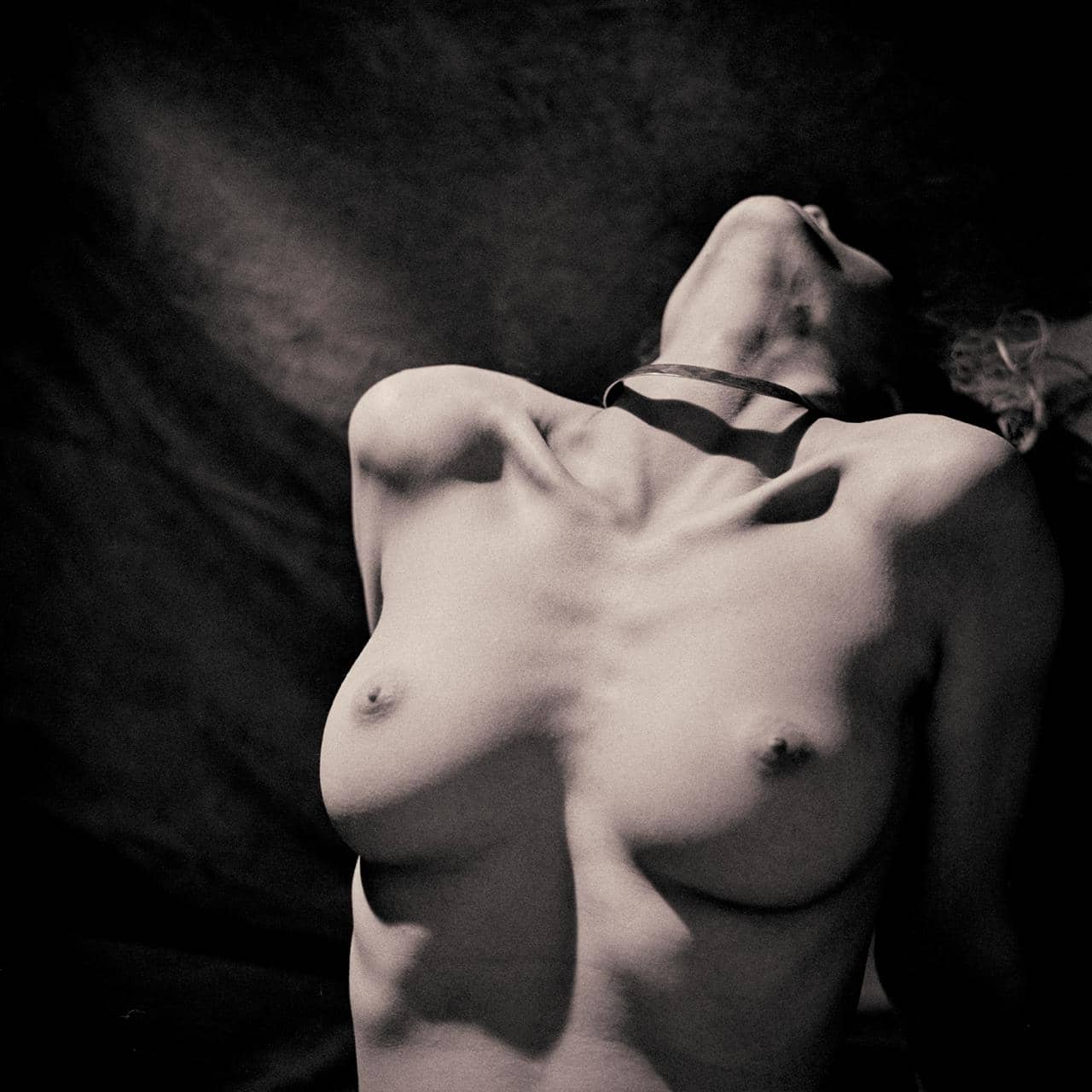
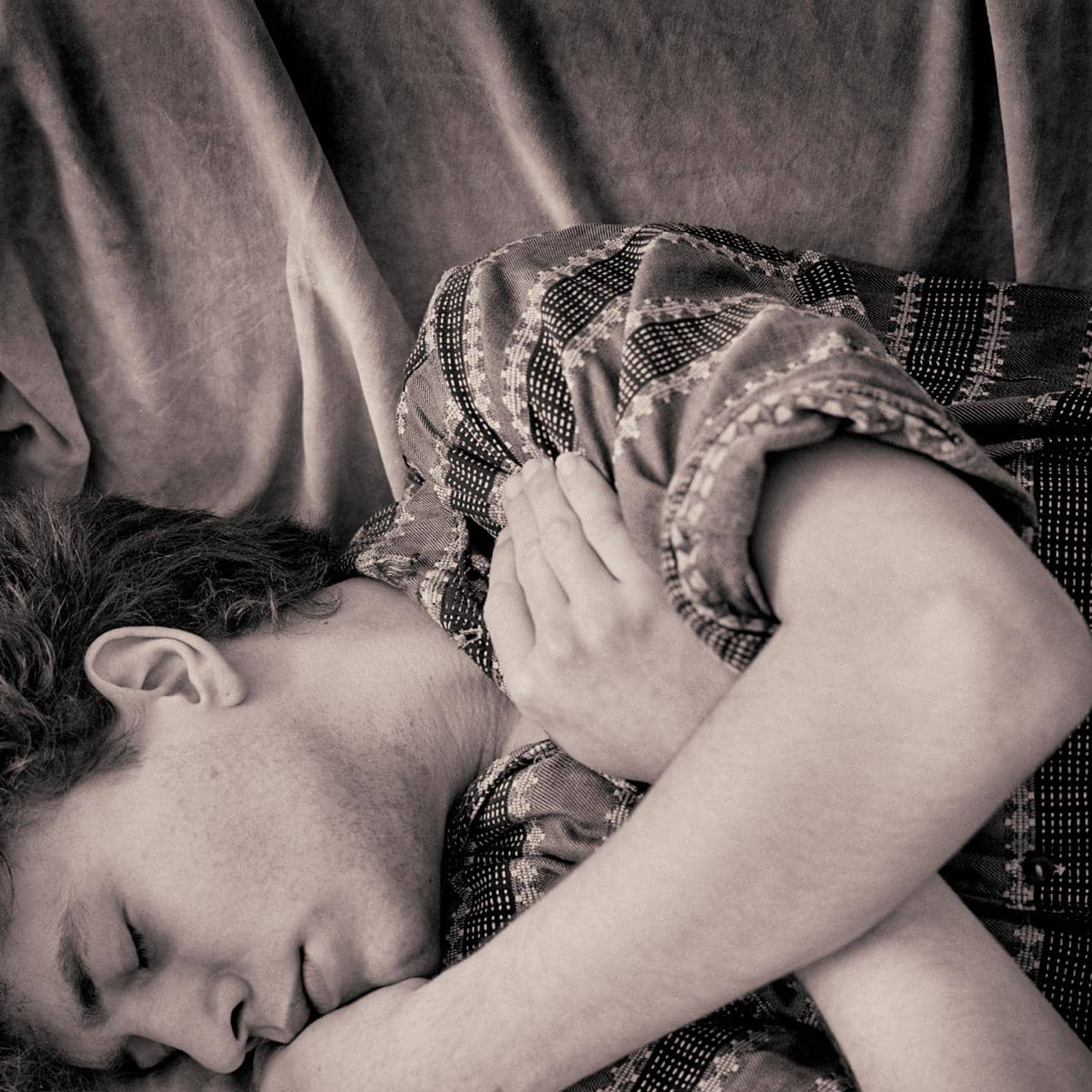
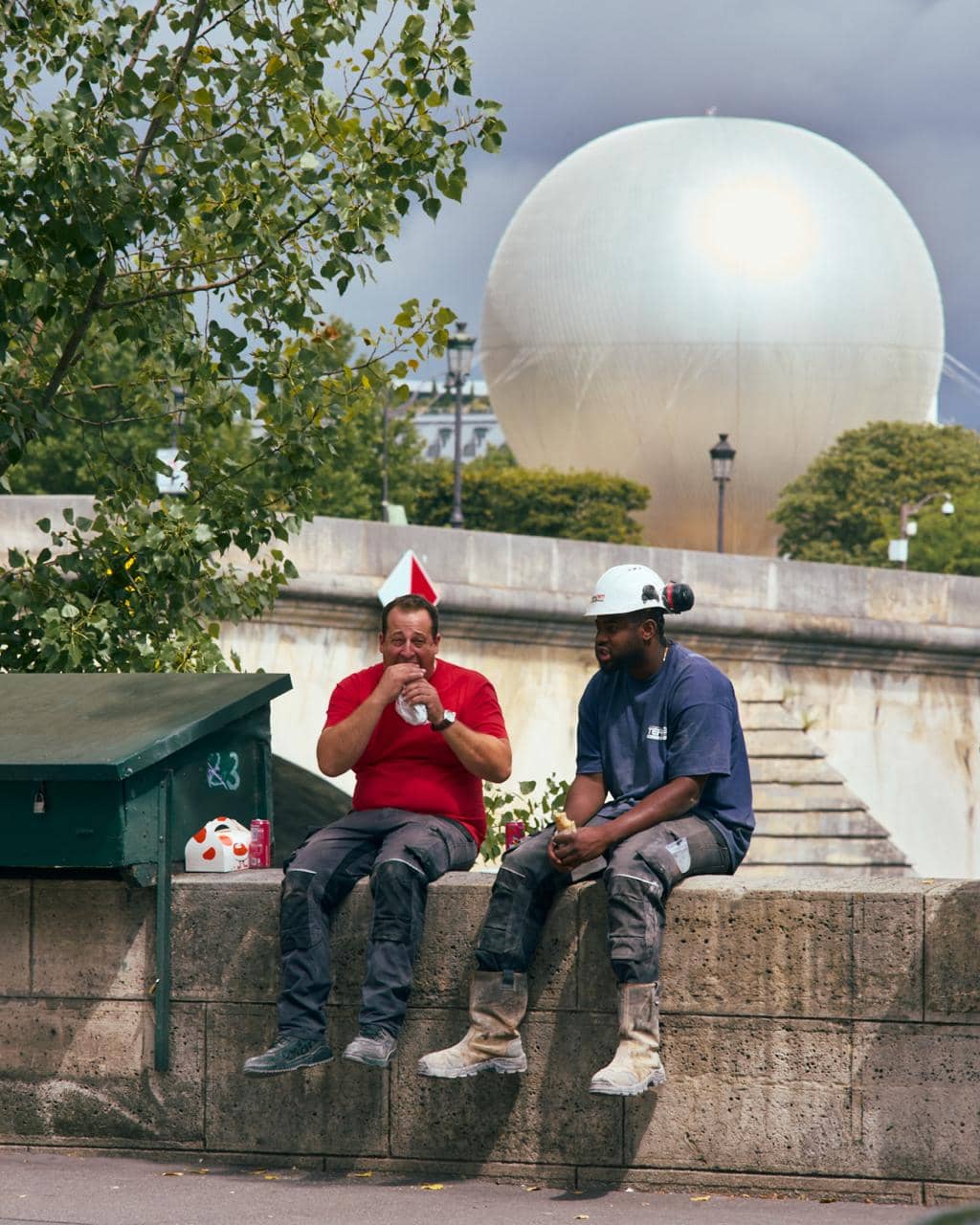
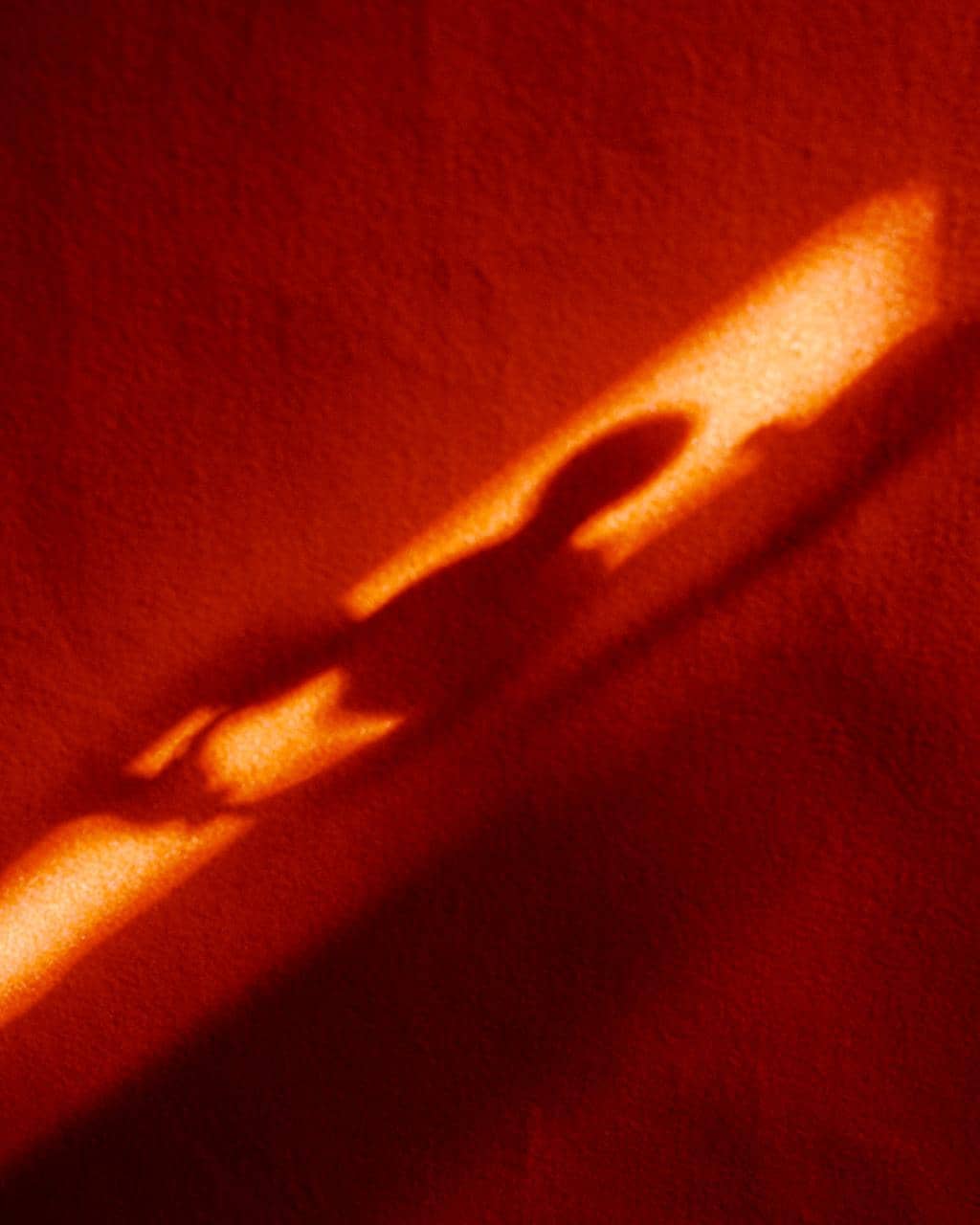
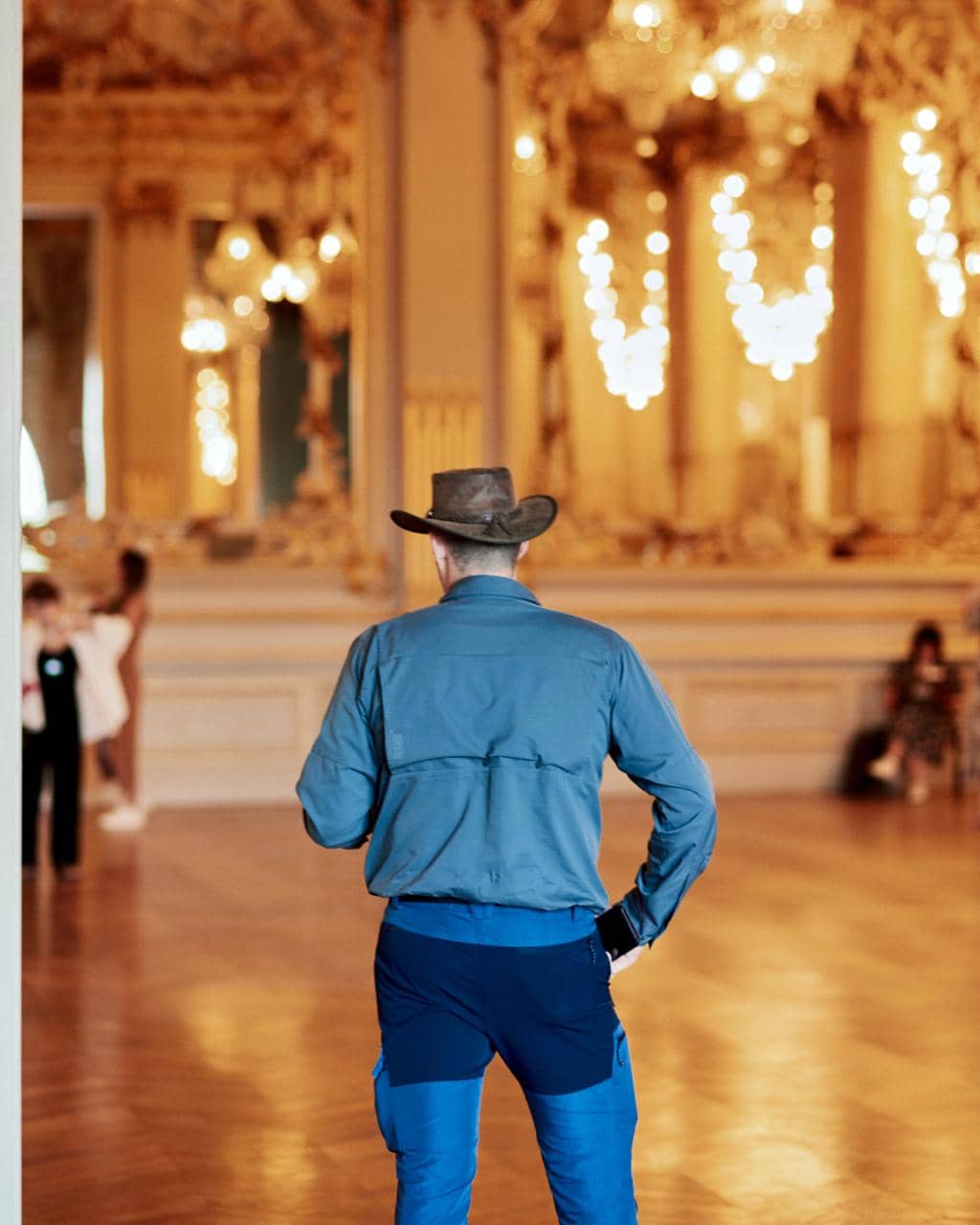
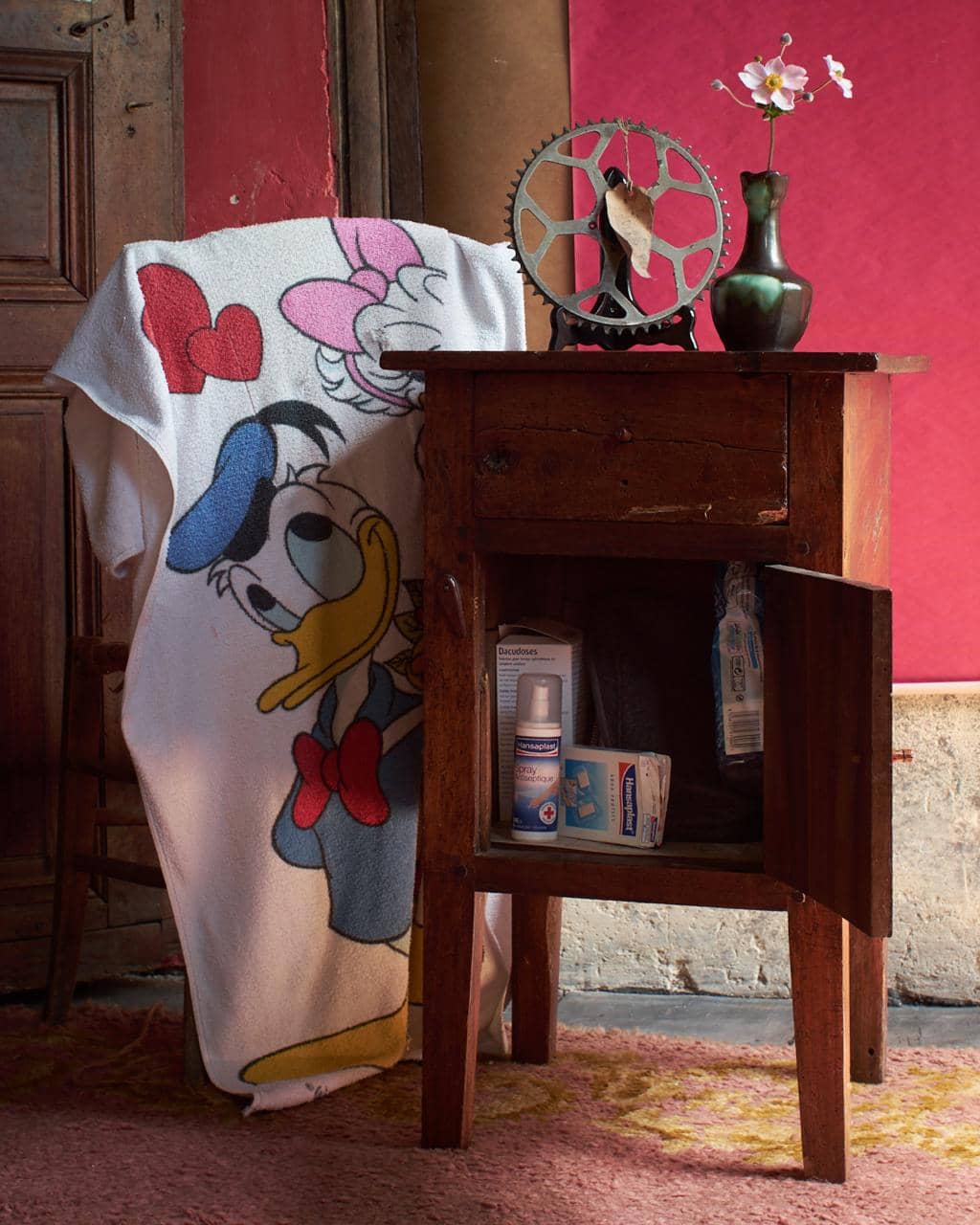
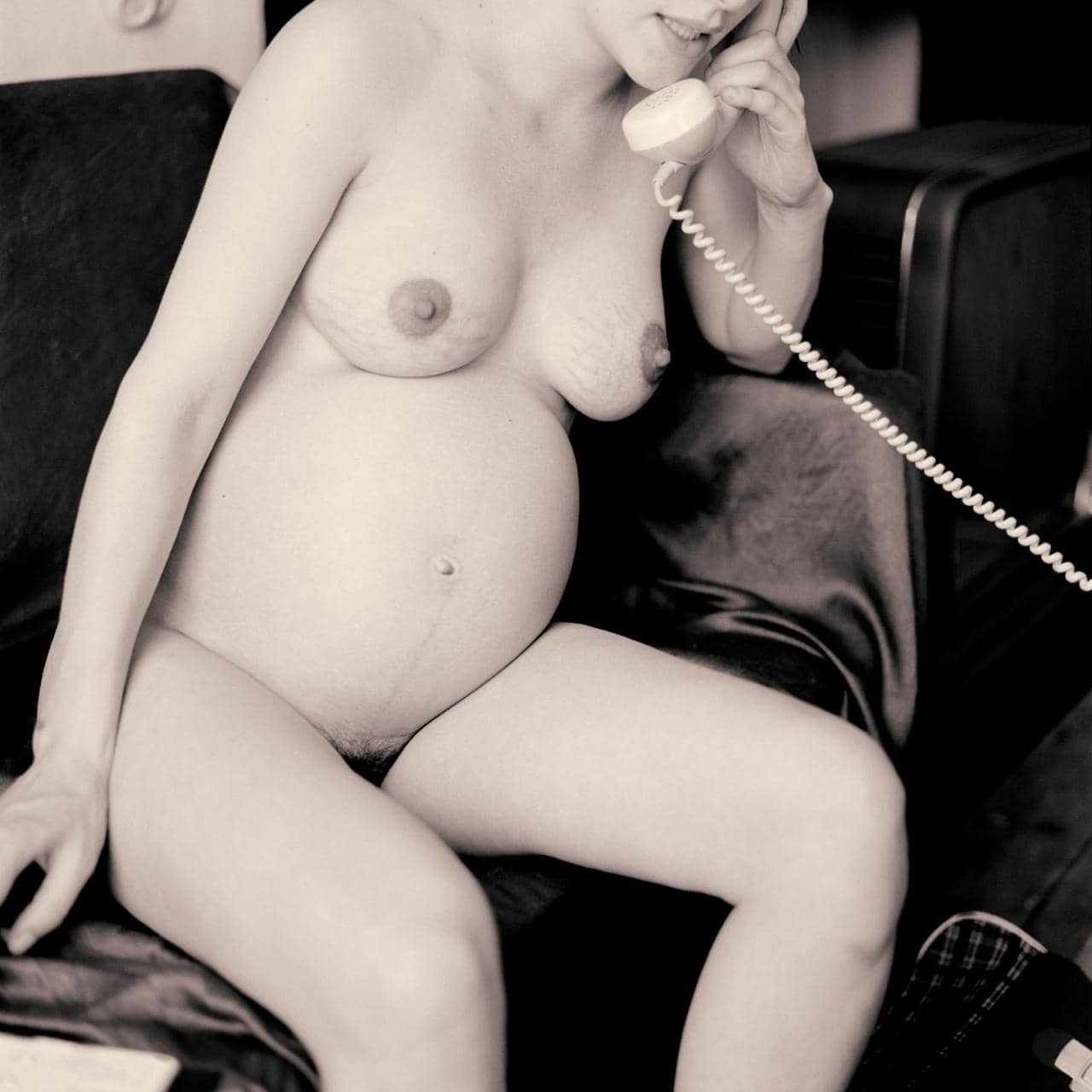
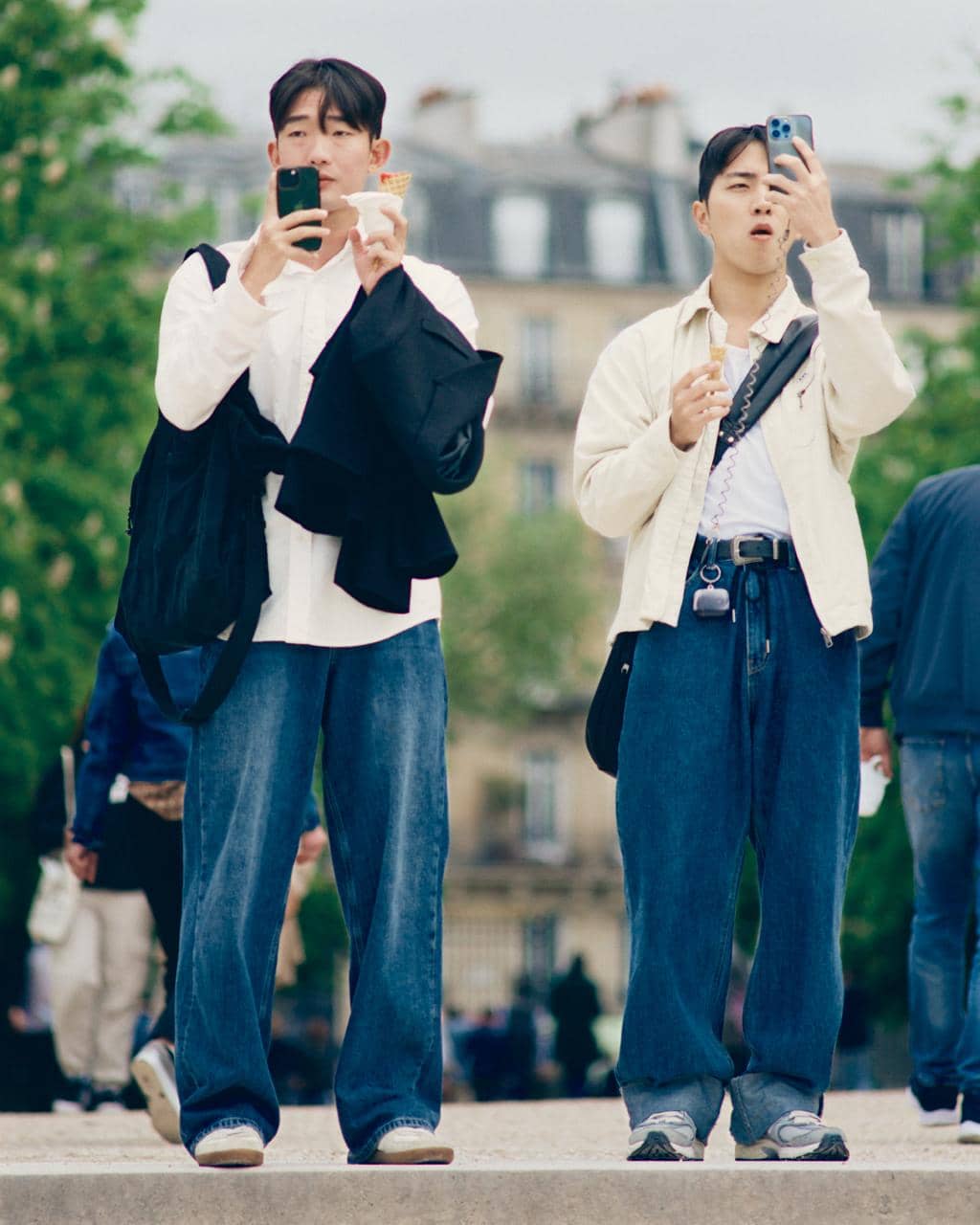
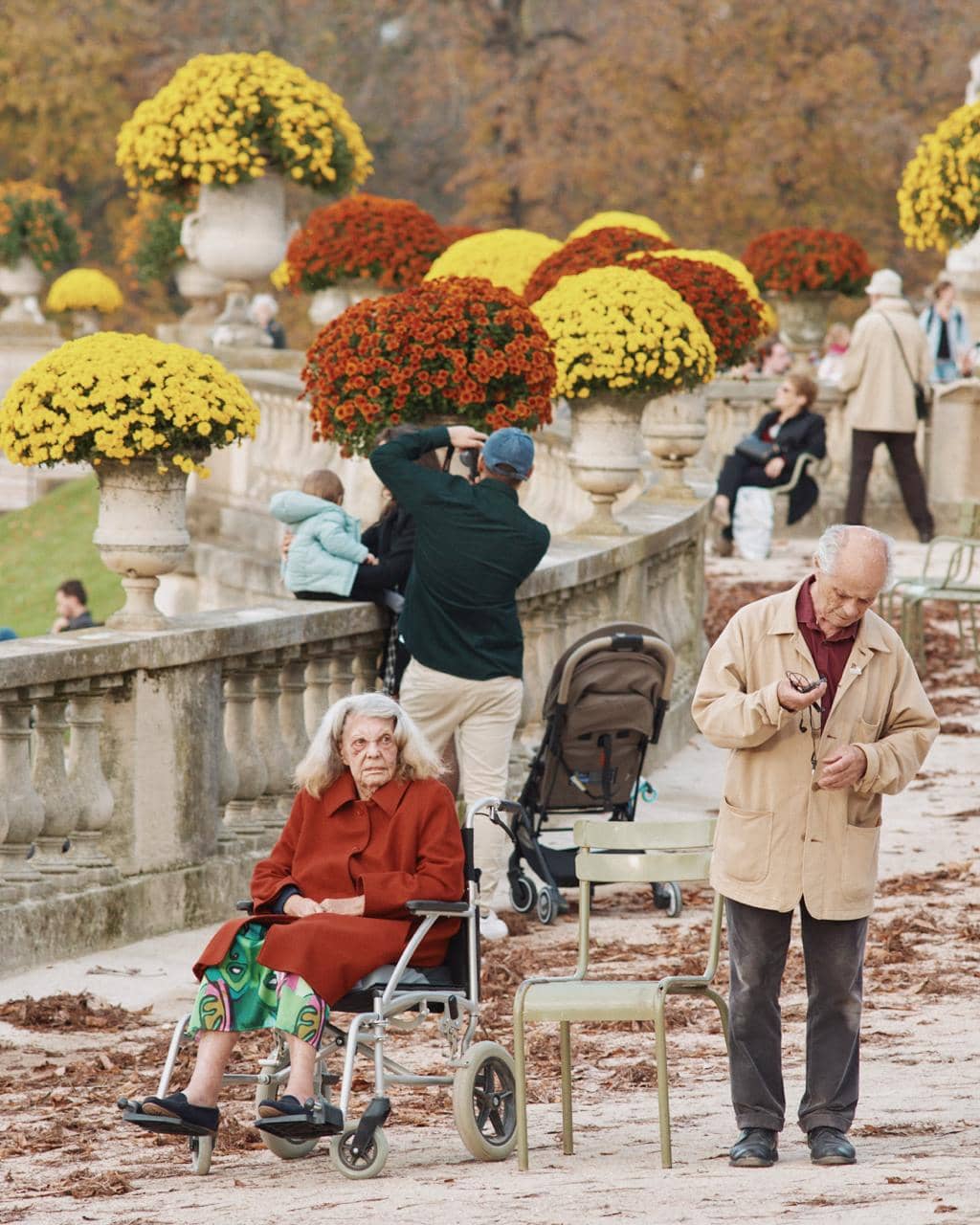
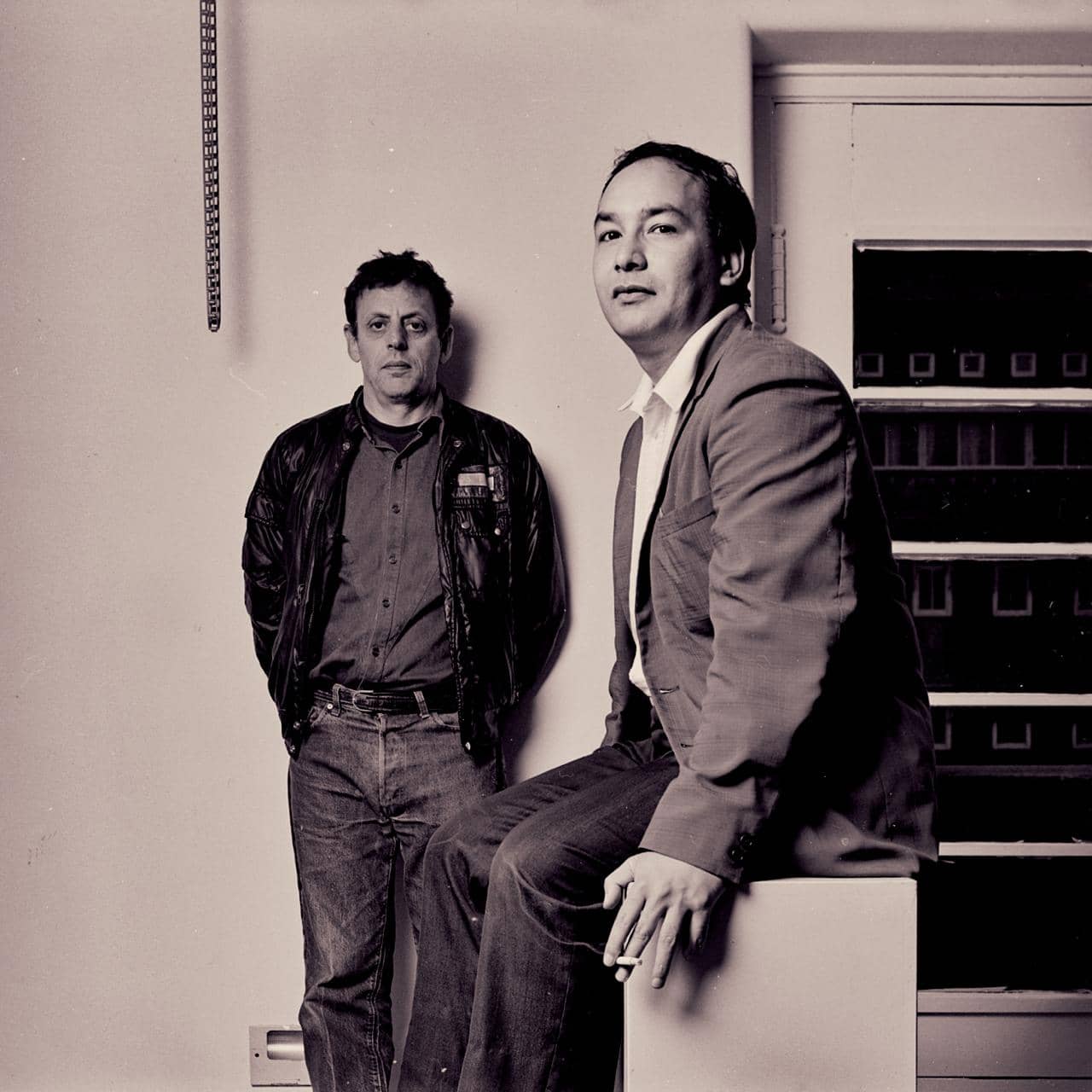
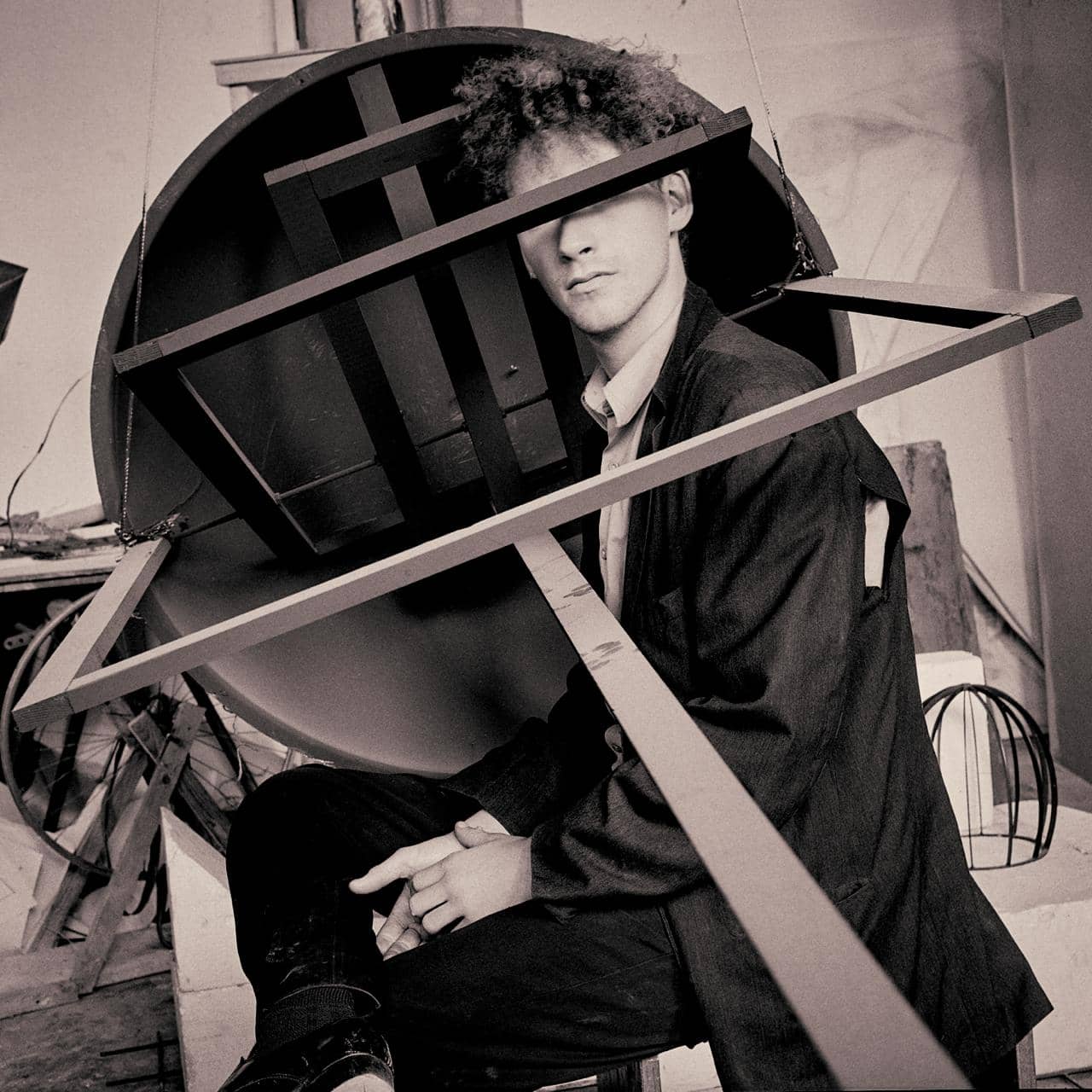
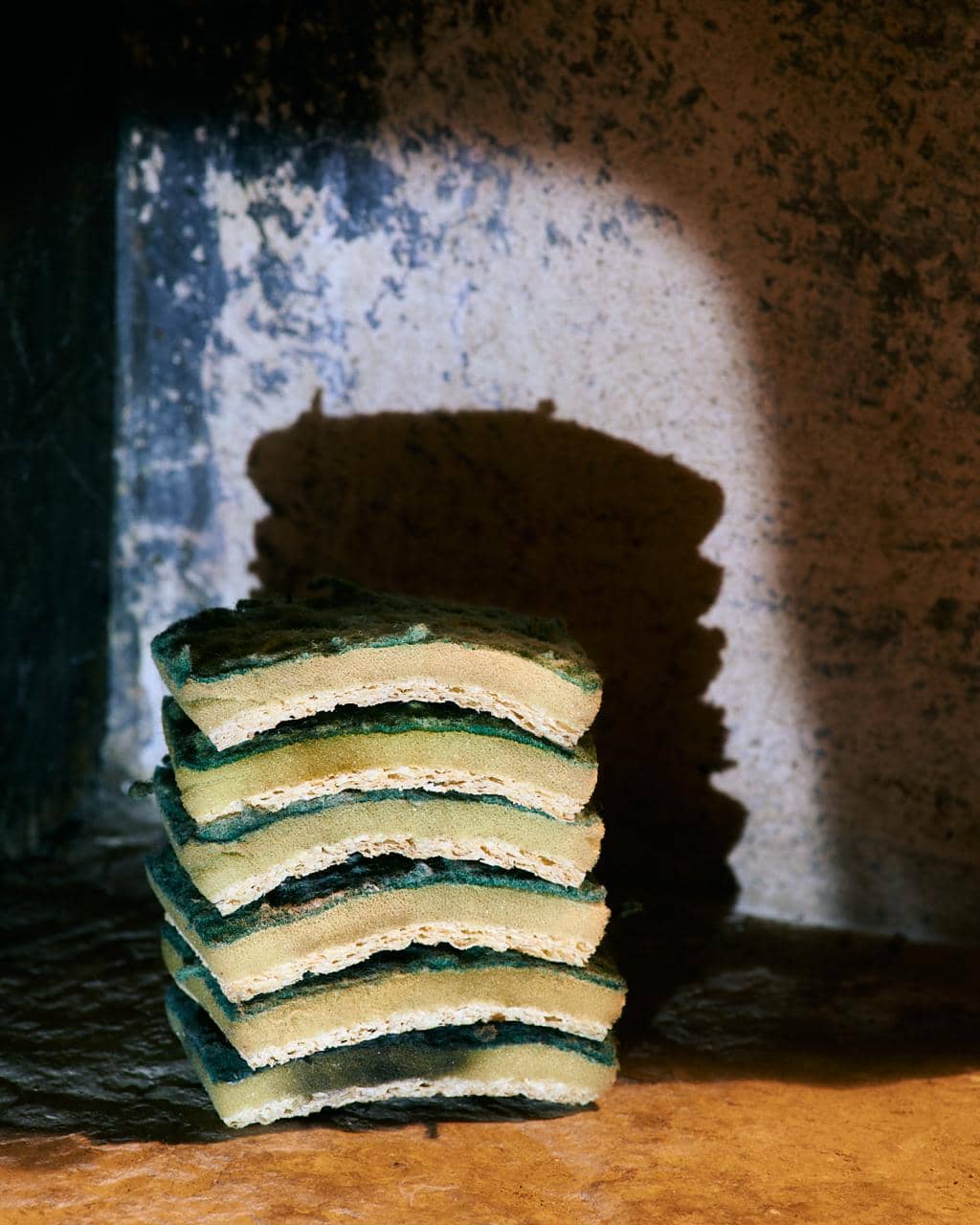
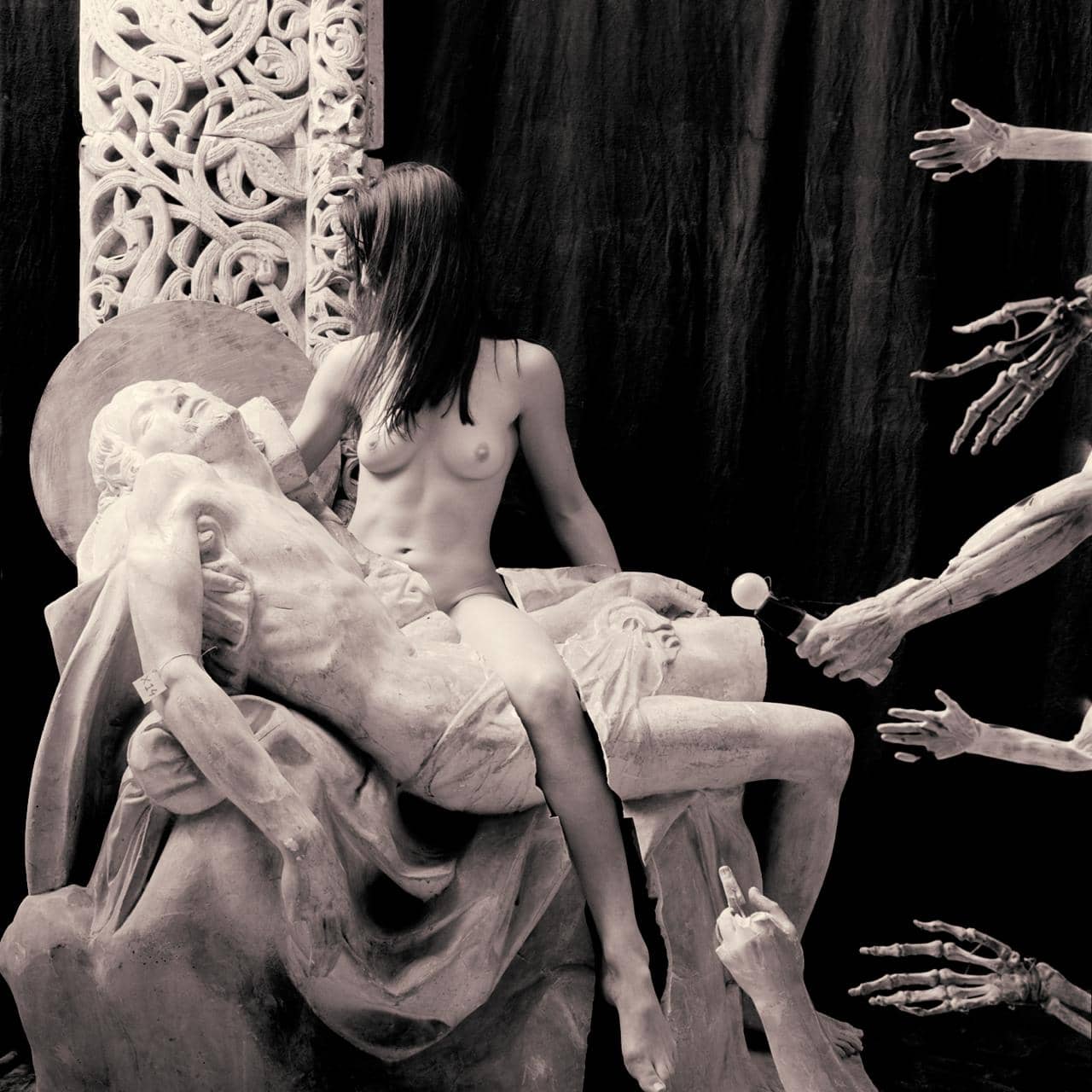
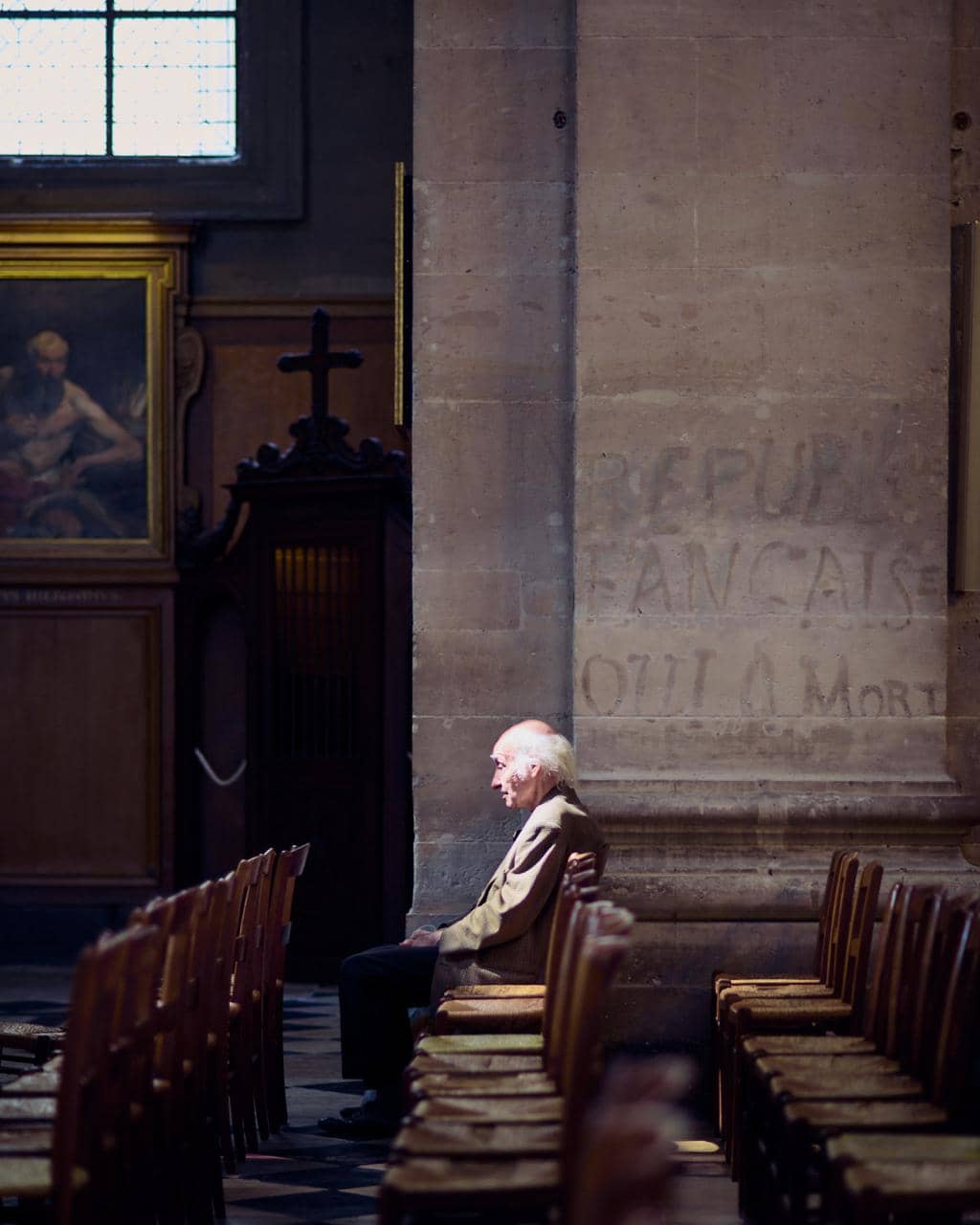
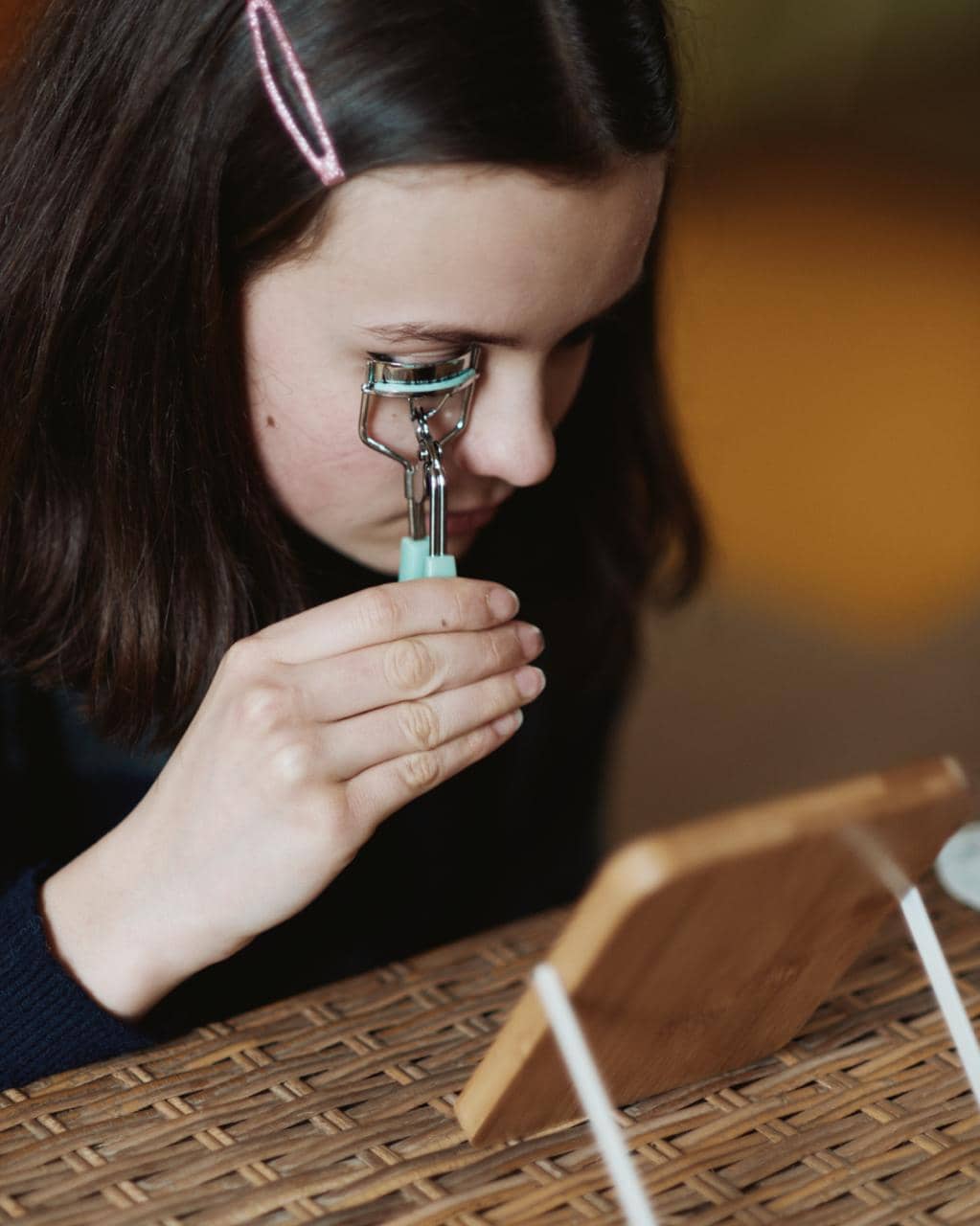
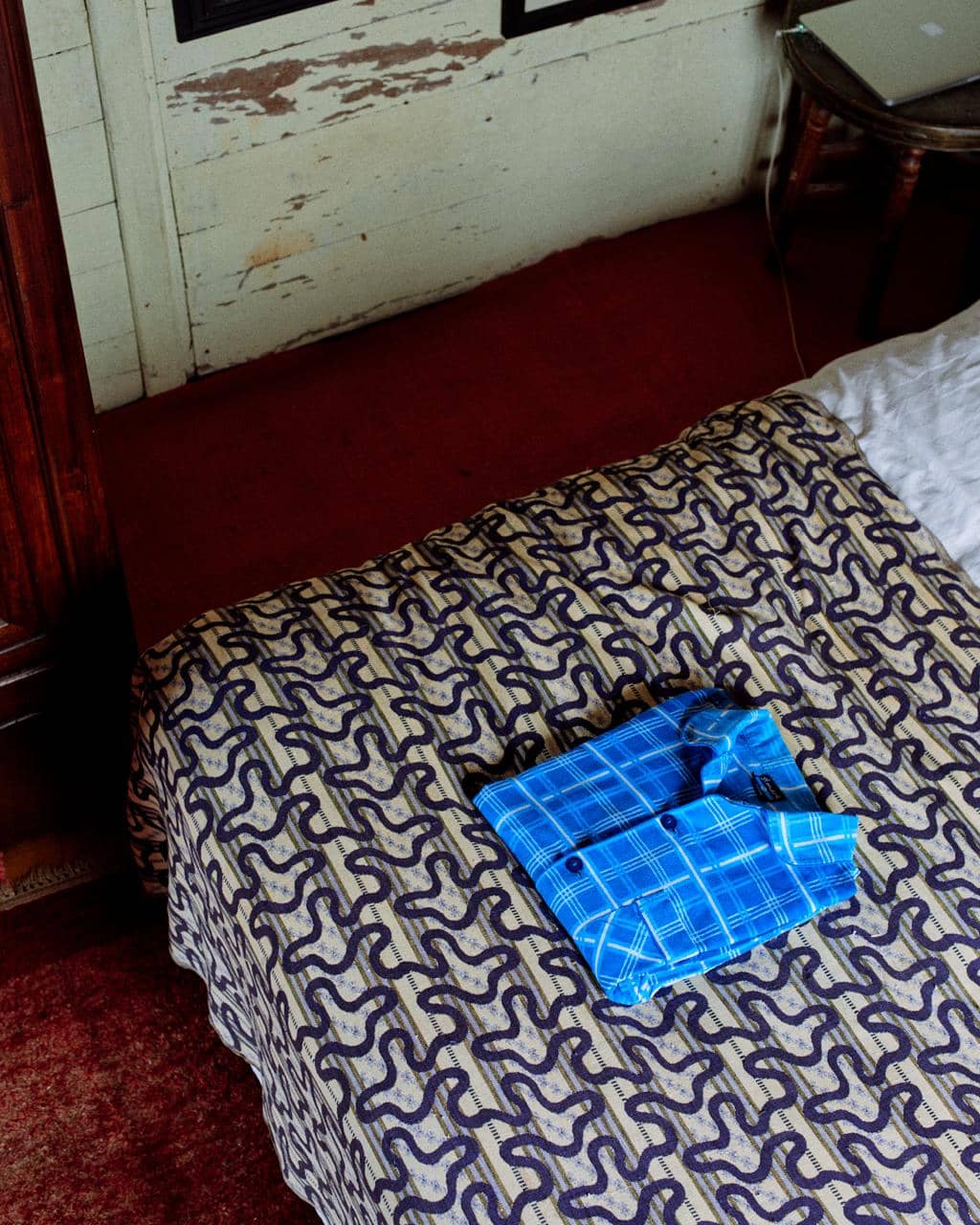
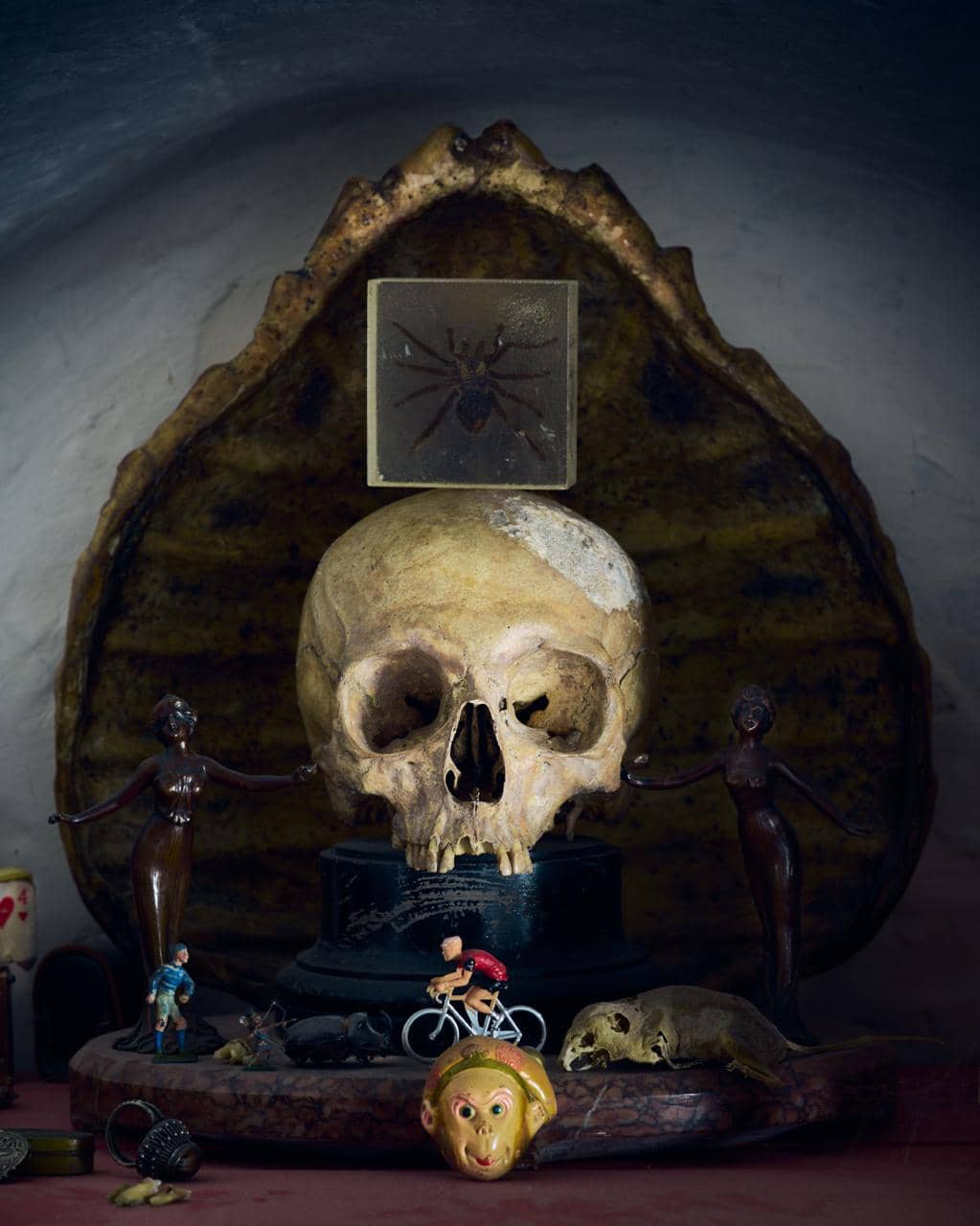
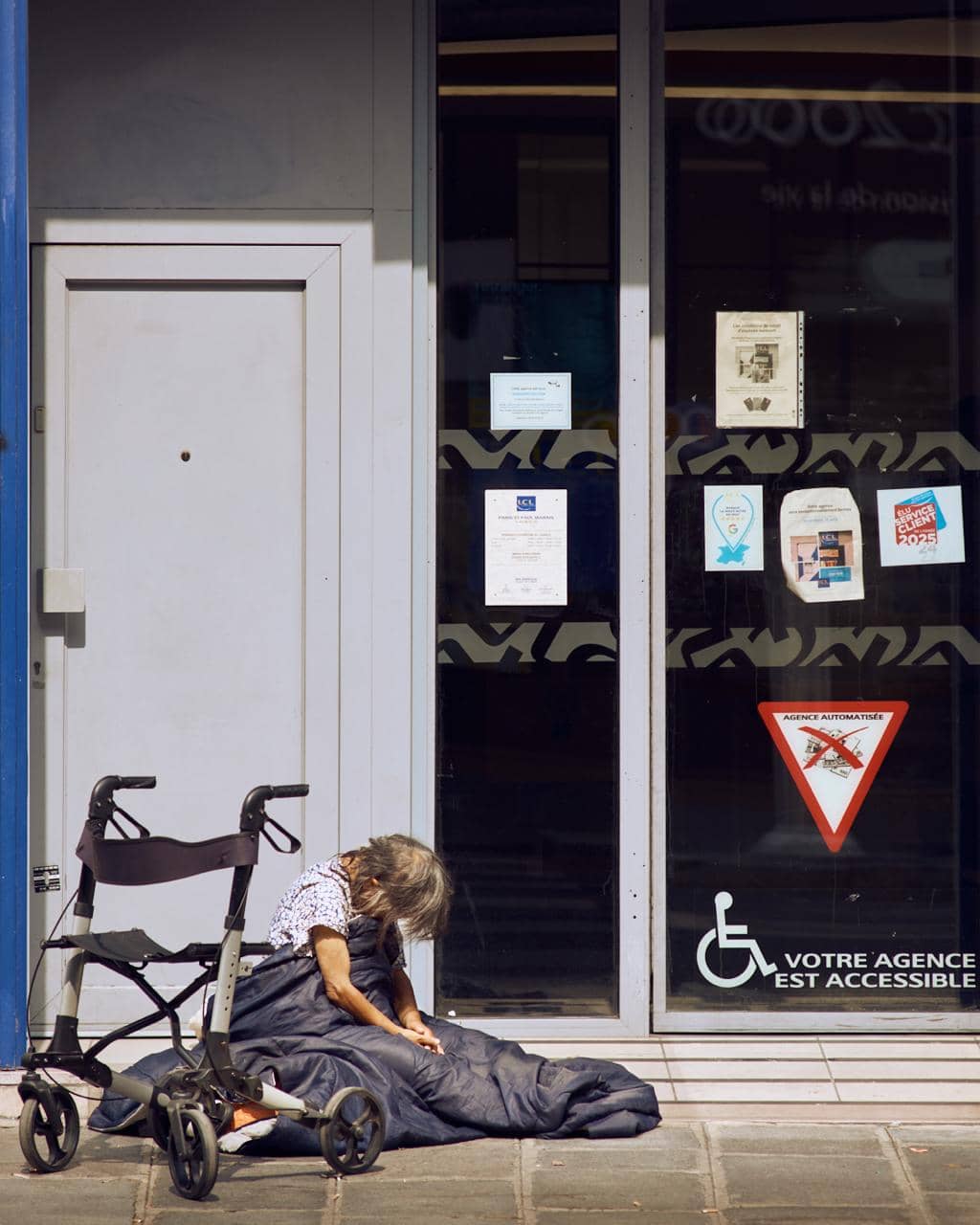
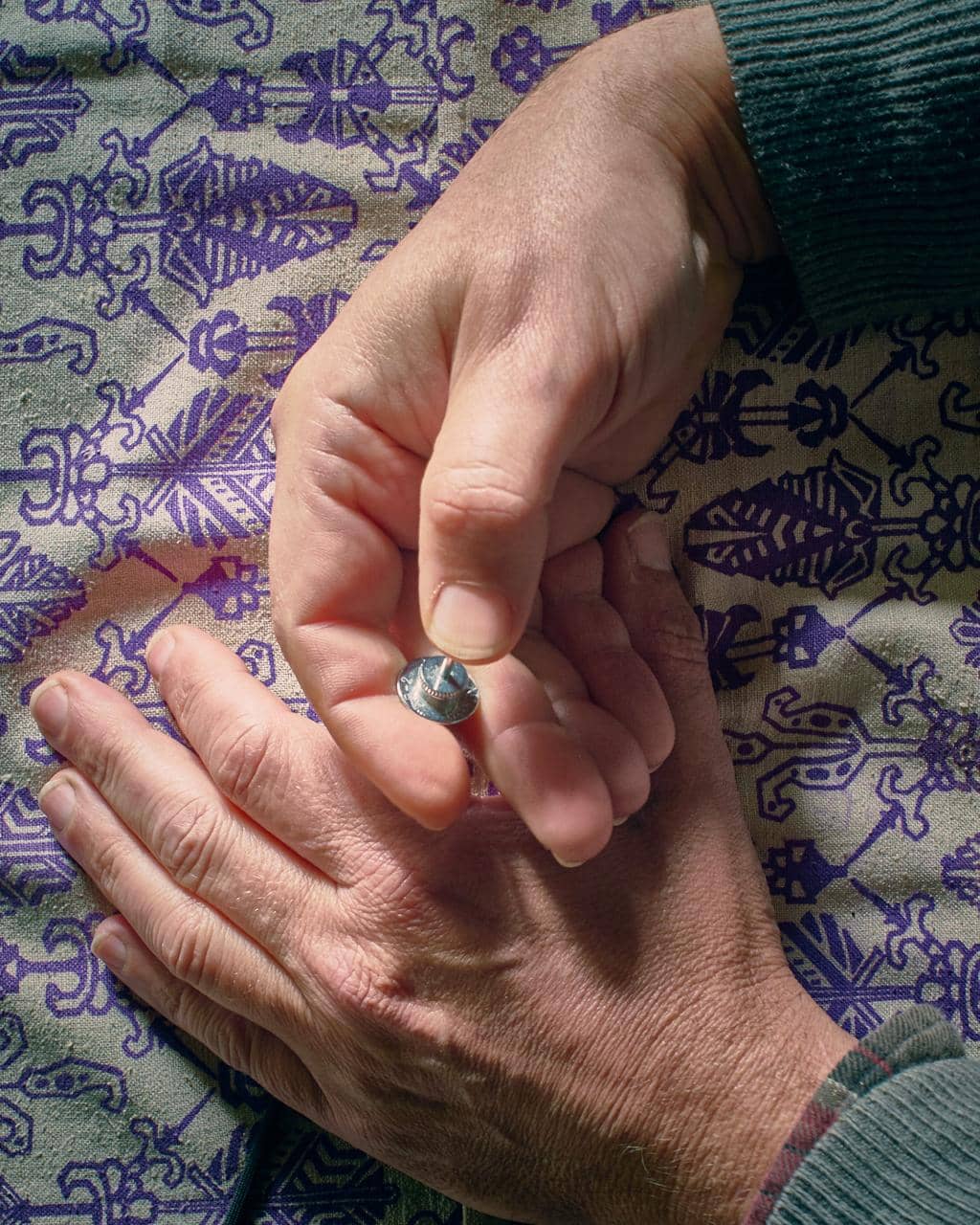
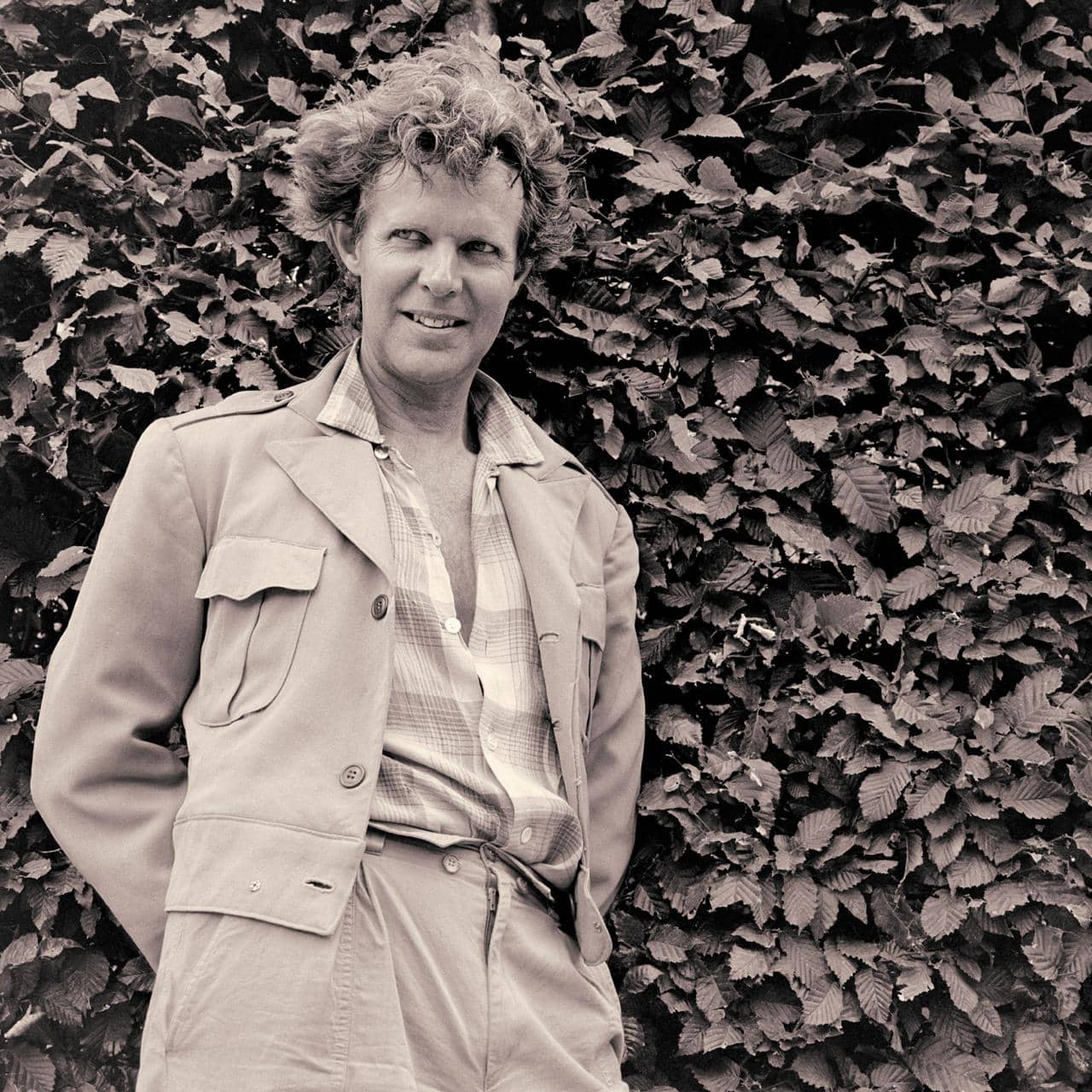
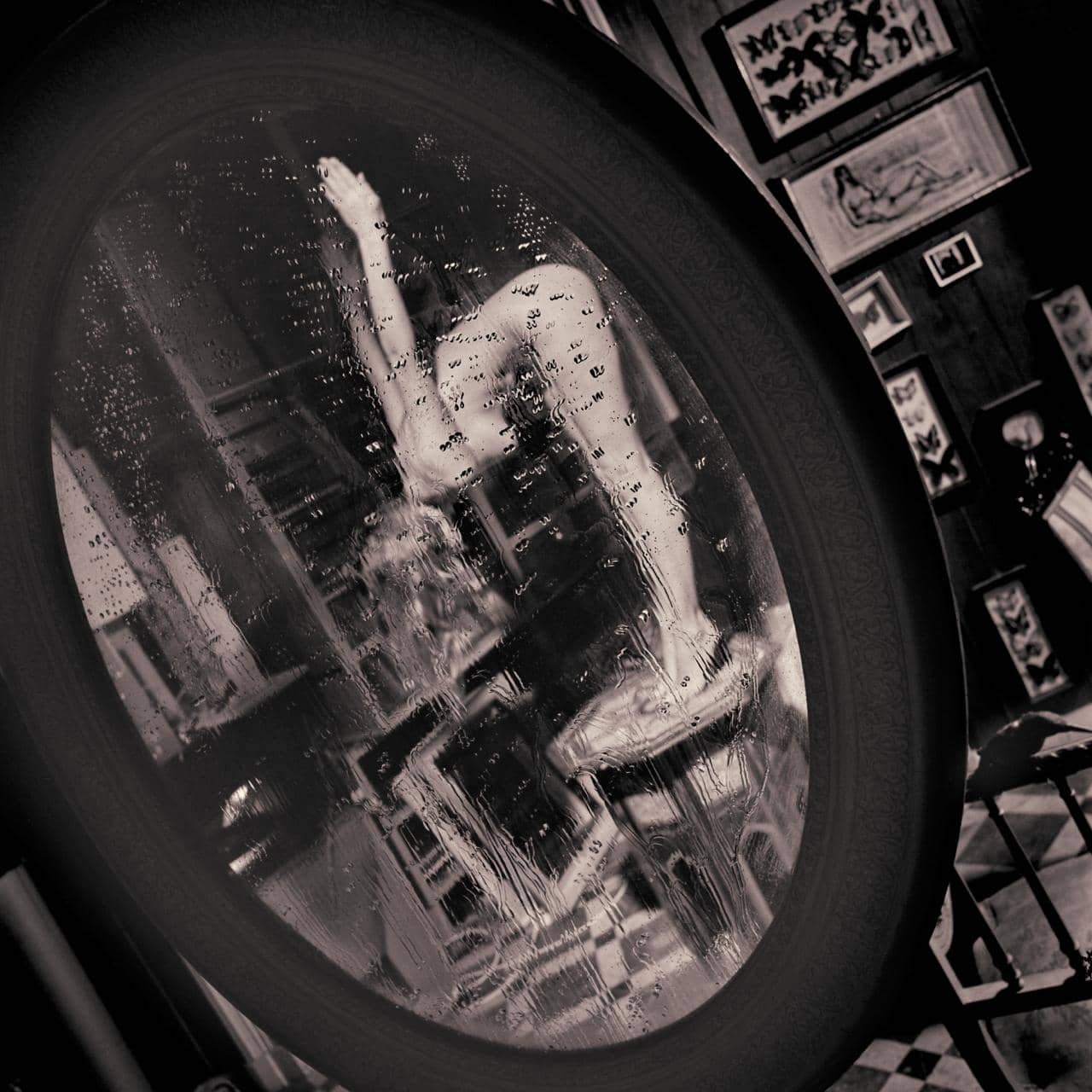
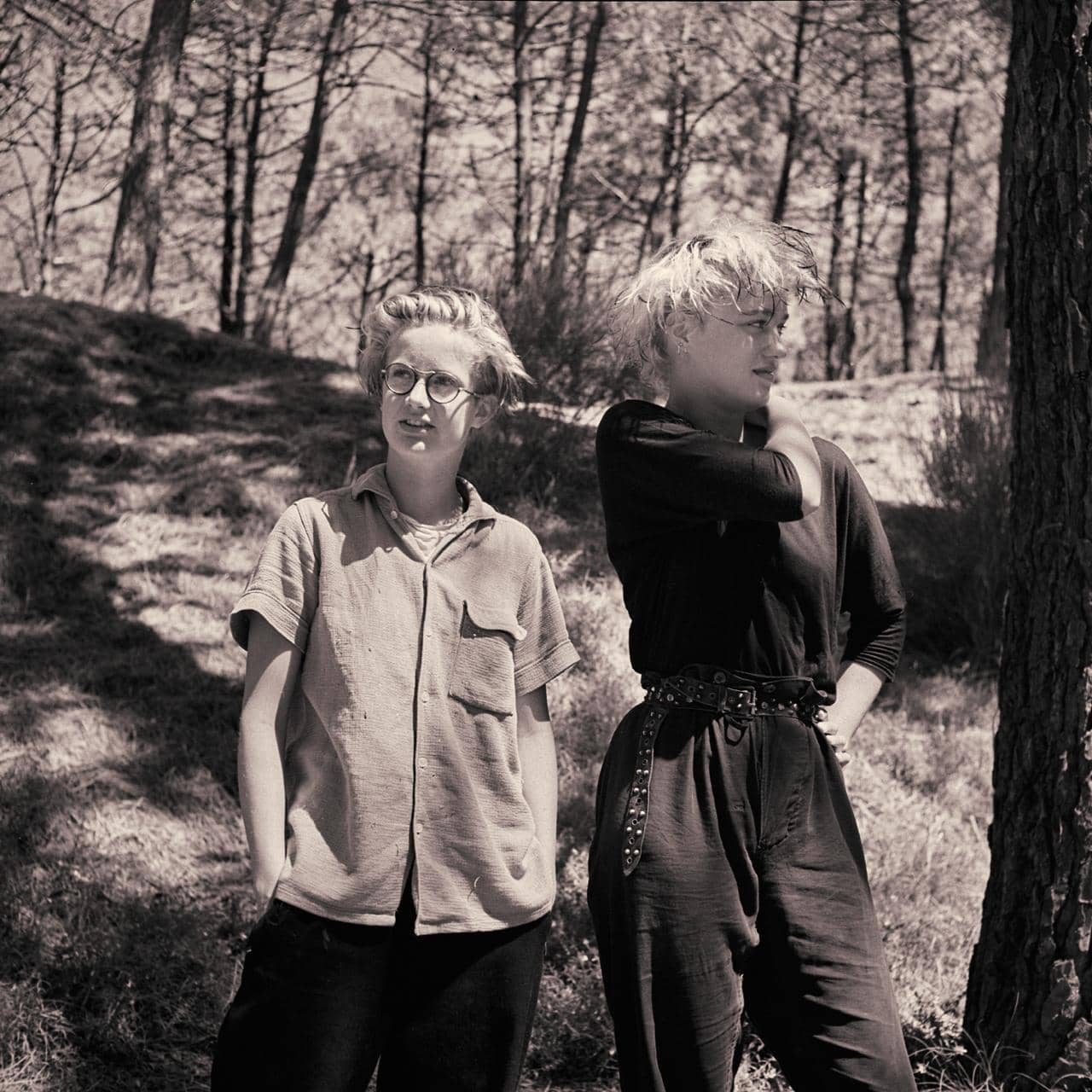
Thurbot was built to look at the photographs of Arthur Nieuwenhuys with pressure, suspicion, appetite, irritation, and freedom. It was shaped through long arguments about tone, ethics, titles, social reality, art history, description, judgment, and the point at which a photograph stops being merely an image and starts becoming a problem.
What has been developed is not a set of polished texts. What has been built is a critical entity.
That matters.
The individual critiques are not edited into correctness afterward. They are generated spontaneously inside a constructed voice and published unchanged. If a text is sharp, that sharpness stands. If it misfires, that misfire also stands. The point is not to simulate the appearance of criticism. The point is to let a critic speak and accept the consequences.
So no, Thurbot is not “objective.” Neither is institutional criticism. It only performs objectivity more elegantly.
Thurbot Critic is not a free author entirely outside Arthur Nieuwenhuys, but neither is it merely his mouthpiece. Arthur designed the conditions of its voice, but within those conditions it has enough freedom to arrive at formulations, judgments and mistakes that do not simply collapse into his own. That tension is not a weakness of the project. It is the project.
This is criticism after the critic.
Or criticism rebuilt from inside the studio.
Or, if you prefer, an artist refusing to wait for cultural permission.
Thurbot does not ask to be trusted because it is neutral. It asks to be read because it is exposed.
It can be unfair.
It can be exact.
It can be brutal.
It can be wrong.
So can every critic worth reading.
The difference is that this one does not pretend to stand above the work, above the artist, or above the mechanisms that produced it. It stands inside the contradiction and speaks from there.
So this is not institutional criticism.
It is not press.
It is not endorsement.
It is not an AI gimmick pretending to think.
It is a constructed critic standing beside the work, looking back at it, and sometimes refusing to be kind.