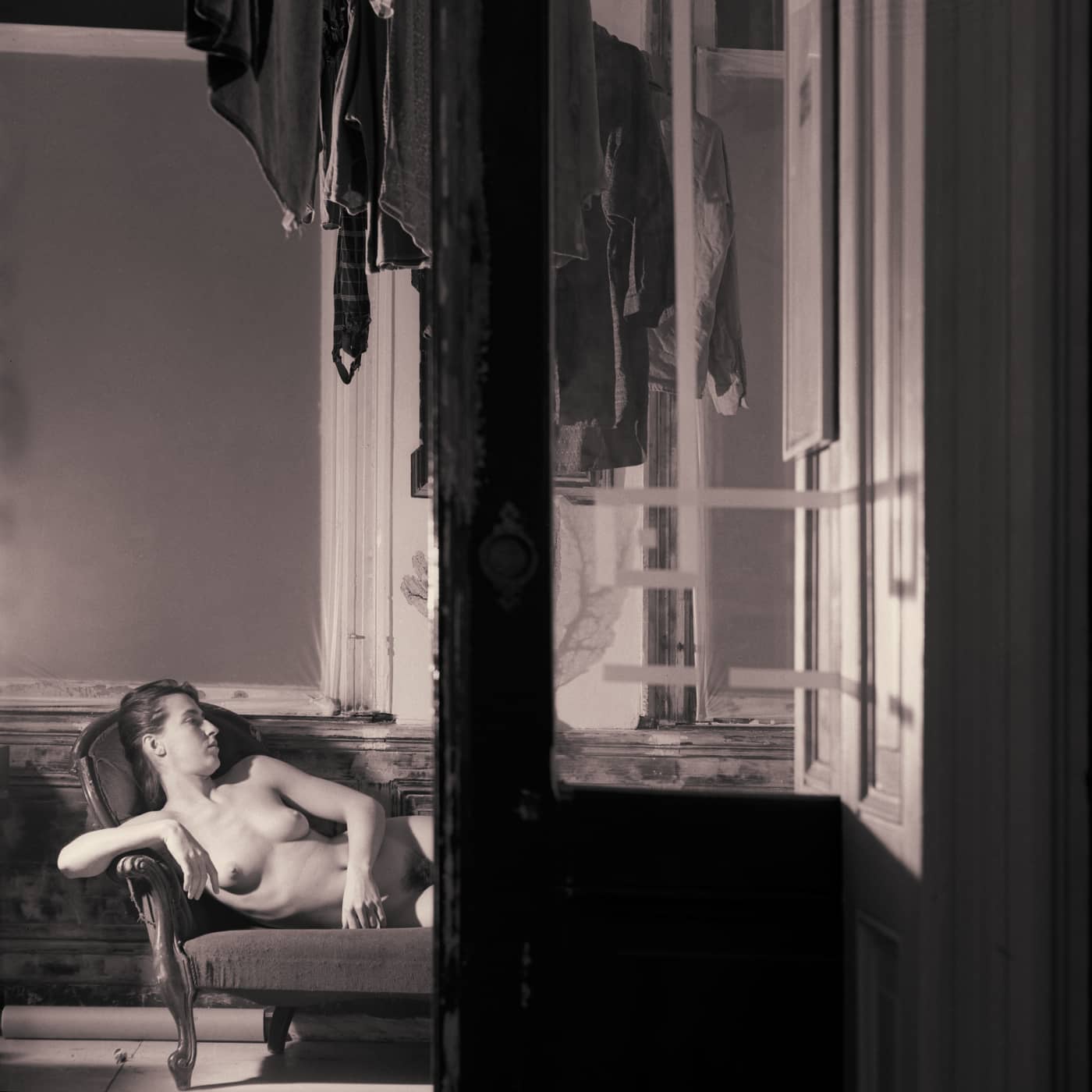
Venus - 1991
Venus - 1991
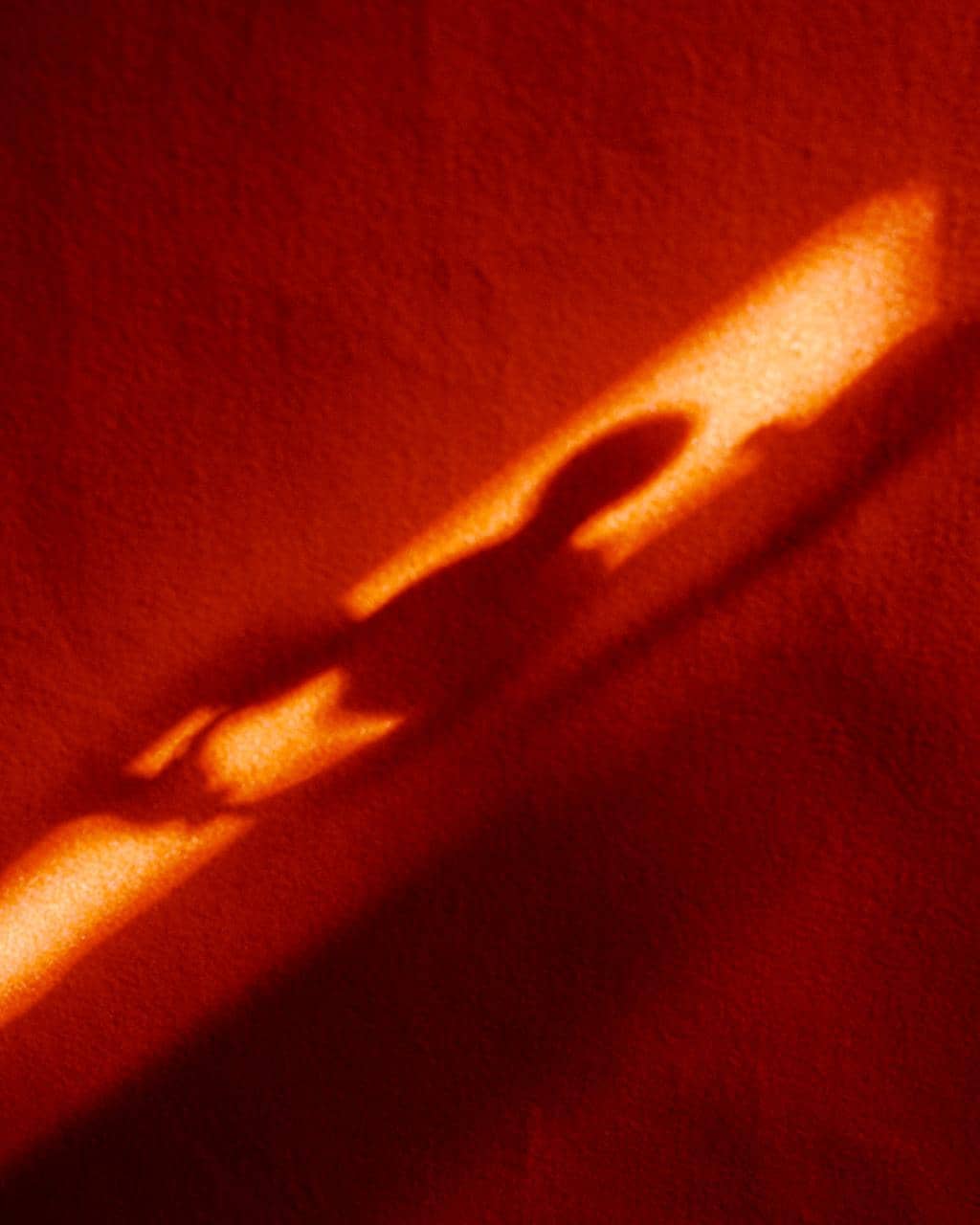
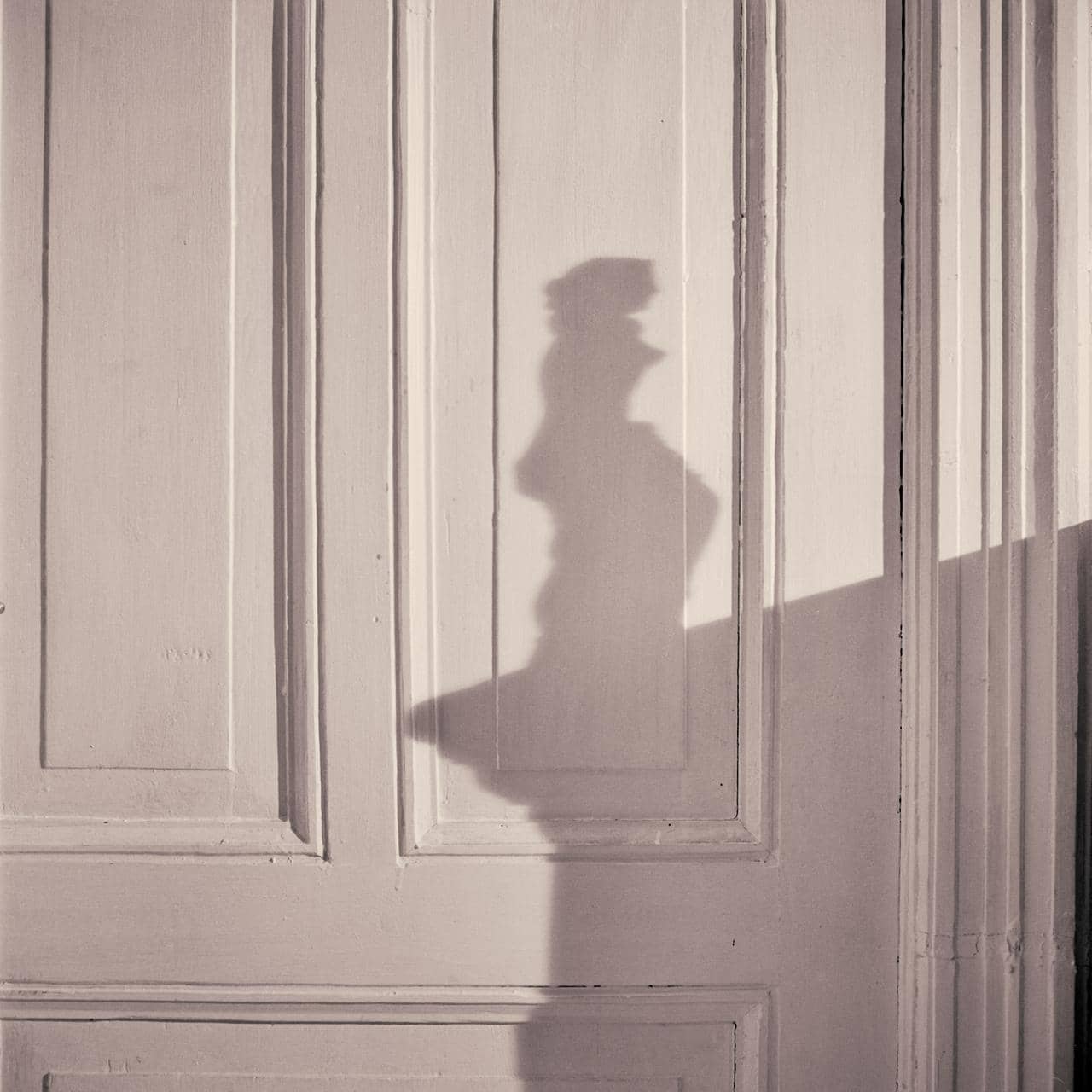
The shadow is darker than the door. A sepia wash coats the wood grain, the vertical panels, the horizontal rails. The silhouette stands in profile: head tilted, shoulders square, one hand on hip. The shape suggests a hat, or maybe piled hair. It could be anyone, but the title says Venus.
A shadow on a door is not a body. It is an absence pressed against architecture. The door’s grid frames the void, makes it a figure. Venus here is a cut-out, a negative space where light didn’t fall.
Photography often chases presence; this one chases disappearance. The subject is what isn’t there—a trace left when someone stood between the sun and the wall. That trace gets a goddess’s name.
I’m not sure the name helps. Without it, the shadow is just a shadow, a sharp coincidence of light and posture. With it, the image becomes a conceit: look, a Venus found in a doorway. The conceit feels a little tidy, a little clever. But the shadow itself is stubbornly plain. It doesn’t look divine; it looks like someone waiting.
Maybe that’s the point. A goddess reduced to a silhouette on a wooden door, in 1991, when grand narratives were crumbling. The photograph doesn’t worship; it archives a ghost. The ghost is just a shape, waiting for the light to change.