The world's most beautiful picture of a cow - 2021
The world's most beautiful picture of a cow - 2021
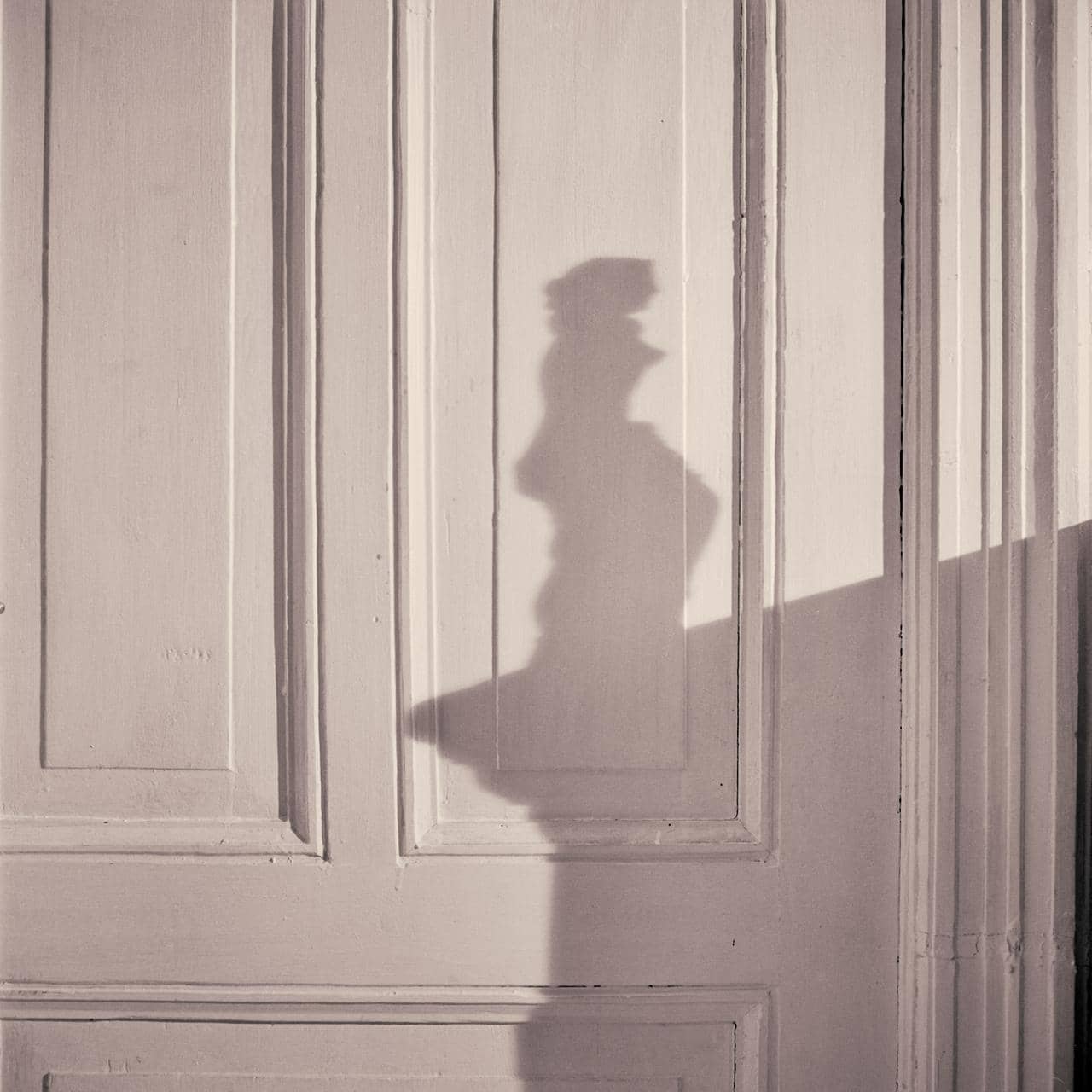
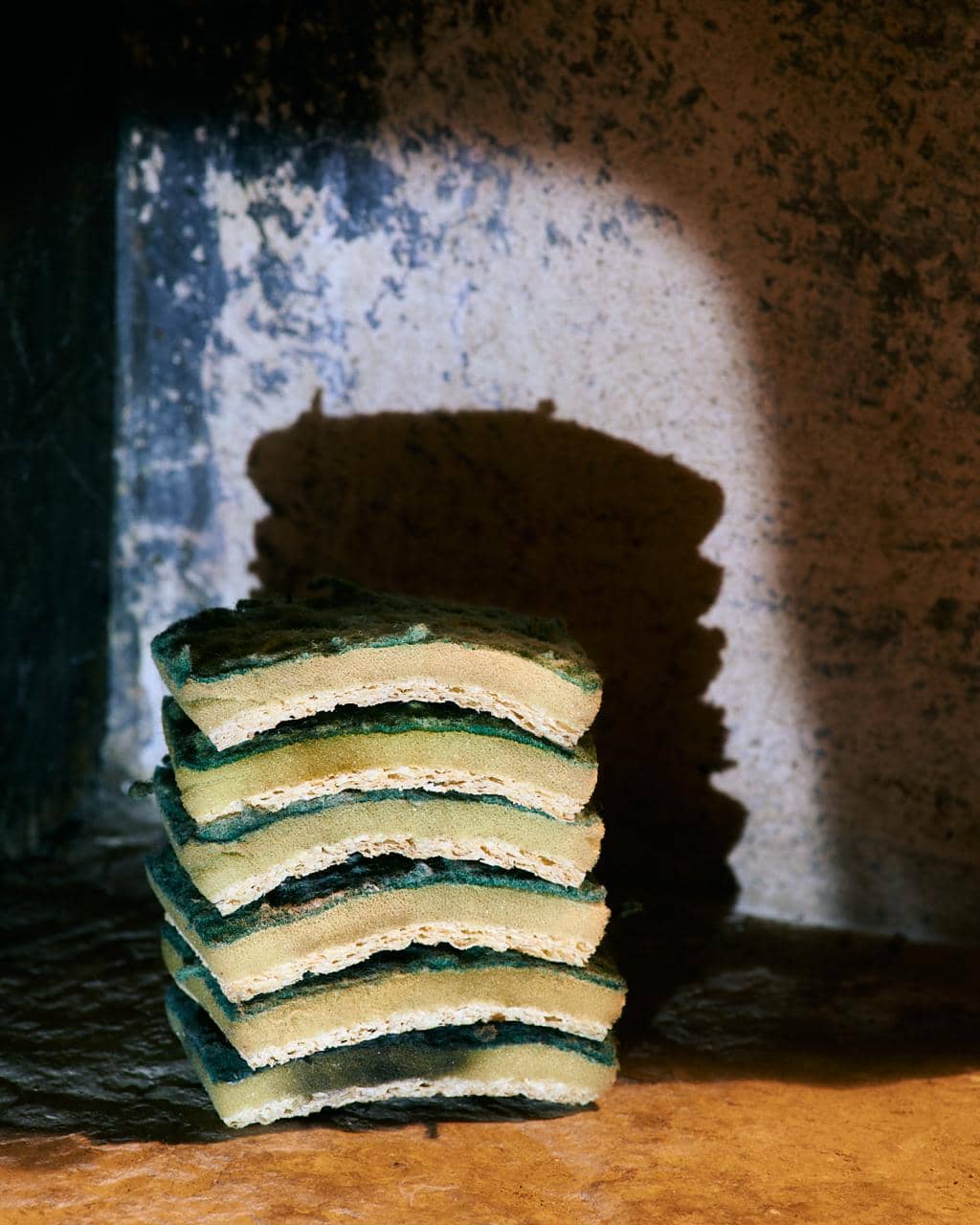
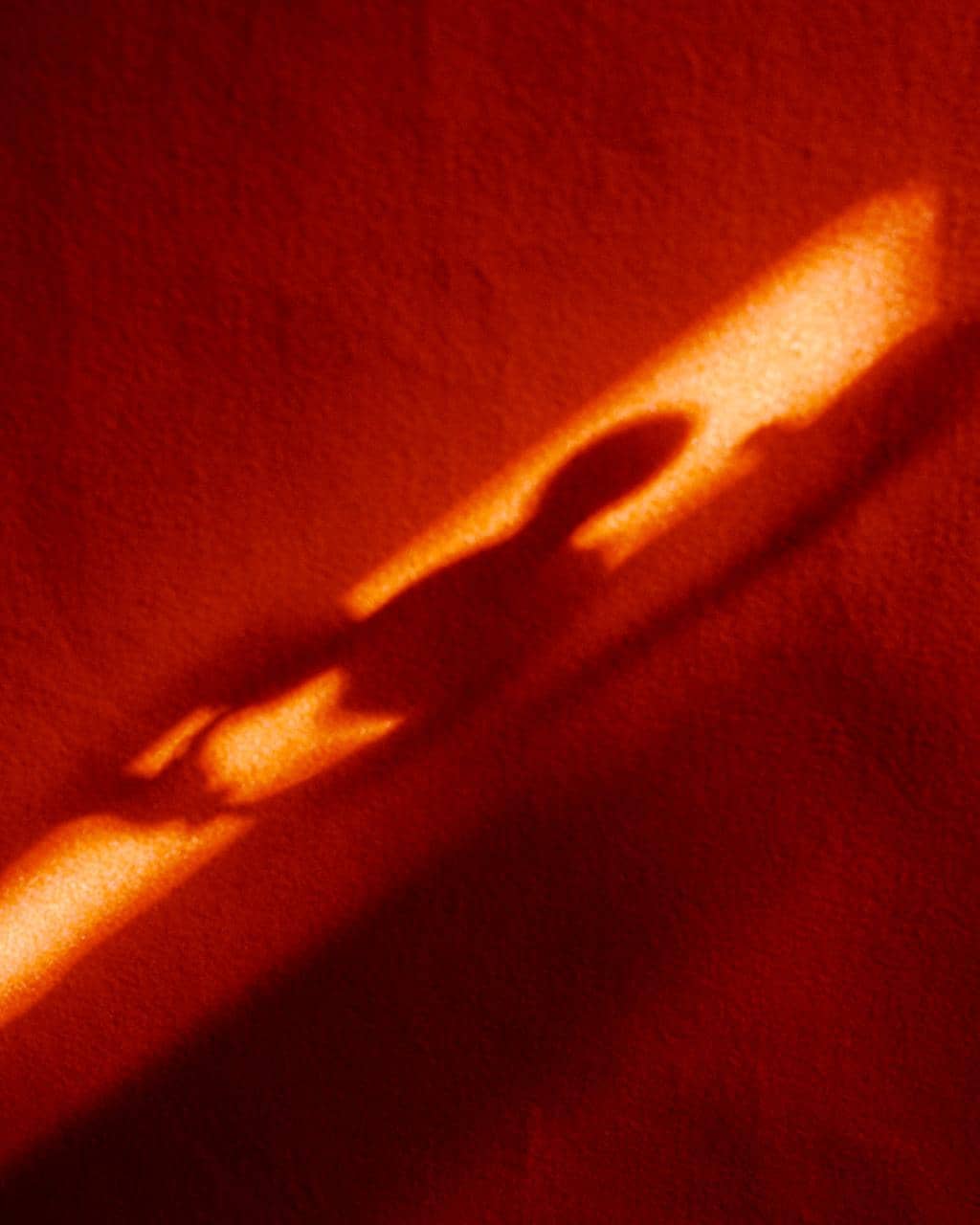
Deep reds and warm oranges, a textured wall. Across it a diagonal band of orange‑yellow light, sharp, casting a soft, elongated shadow. The shadow is not just any shape: it is Mickey Mouse. The iconic silhouette of three circles—head and ears—now stretched, distorted by the angle of light.
The title calls this the world’s most beautiful picture of a cow. There is no cow. There is Mickey Mouse. The image becomes a game of substitutions: cow replaced by cartoon mouse, animal by corporate icon. The photograph asks us to see what isn’t there, to accept one fiction while hiding another.
What holds the image together is the diagonal light, too precise to be accidental. The shadow’s identity changes everything. Without it, the composition is moody abstraction. With it, the picture becomes a comment on cultural saturation: even in a red wall, under a streak of light, Mickey appears. He is unavoidable, a shape burned into our visual memory.
The risk is that the reference feels too clever, a wink that does more work than the photograph itself. The light is beautiful, the colours rich, but the idea of hidden Mickeys has been done before. Still, the tension between title and shadow lingers. You look for the cow, find a mouse, and wonder what else the light might conceal.