The very first cover of life magazine - 2022
The very first cover of life magazine - 2022
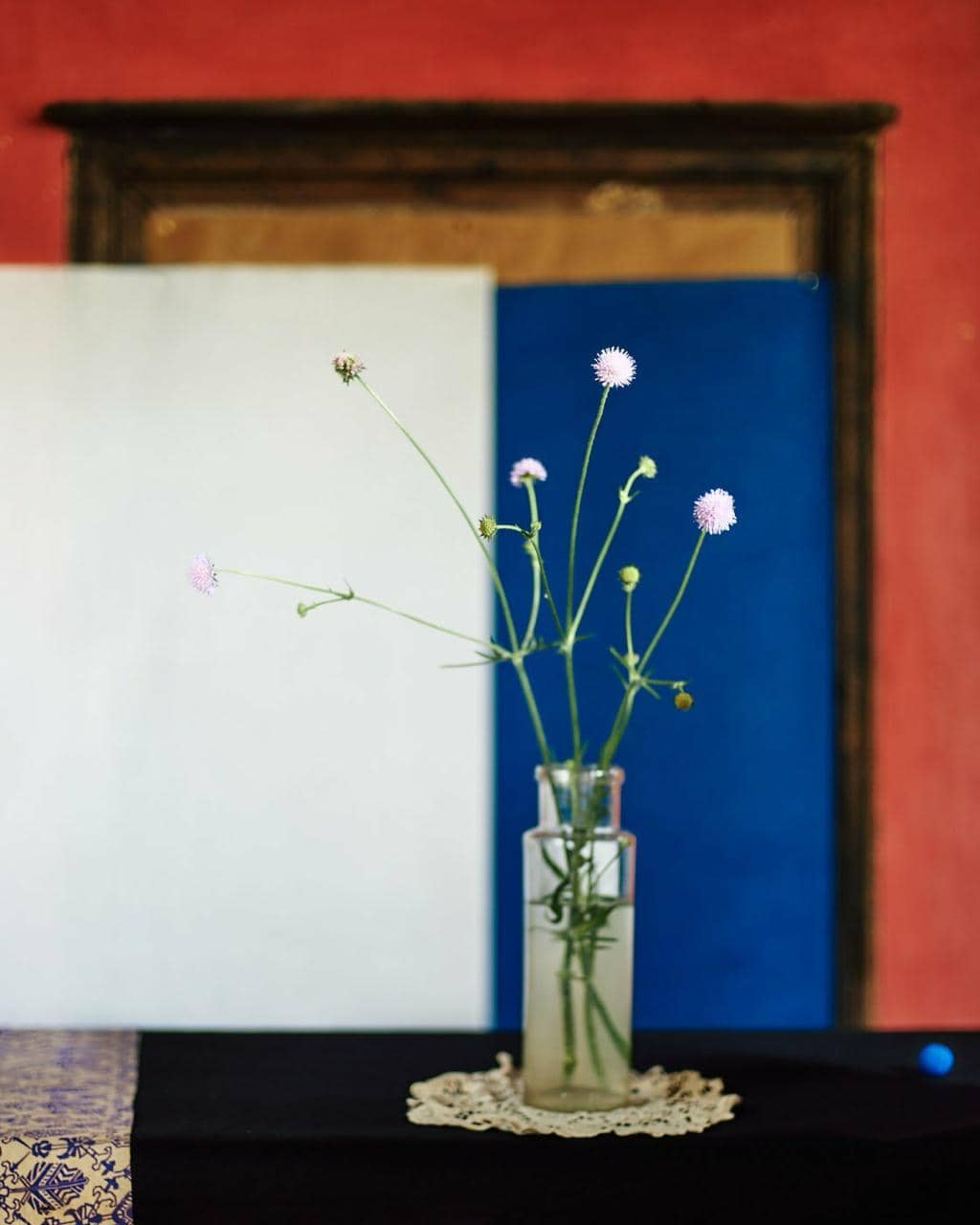
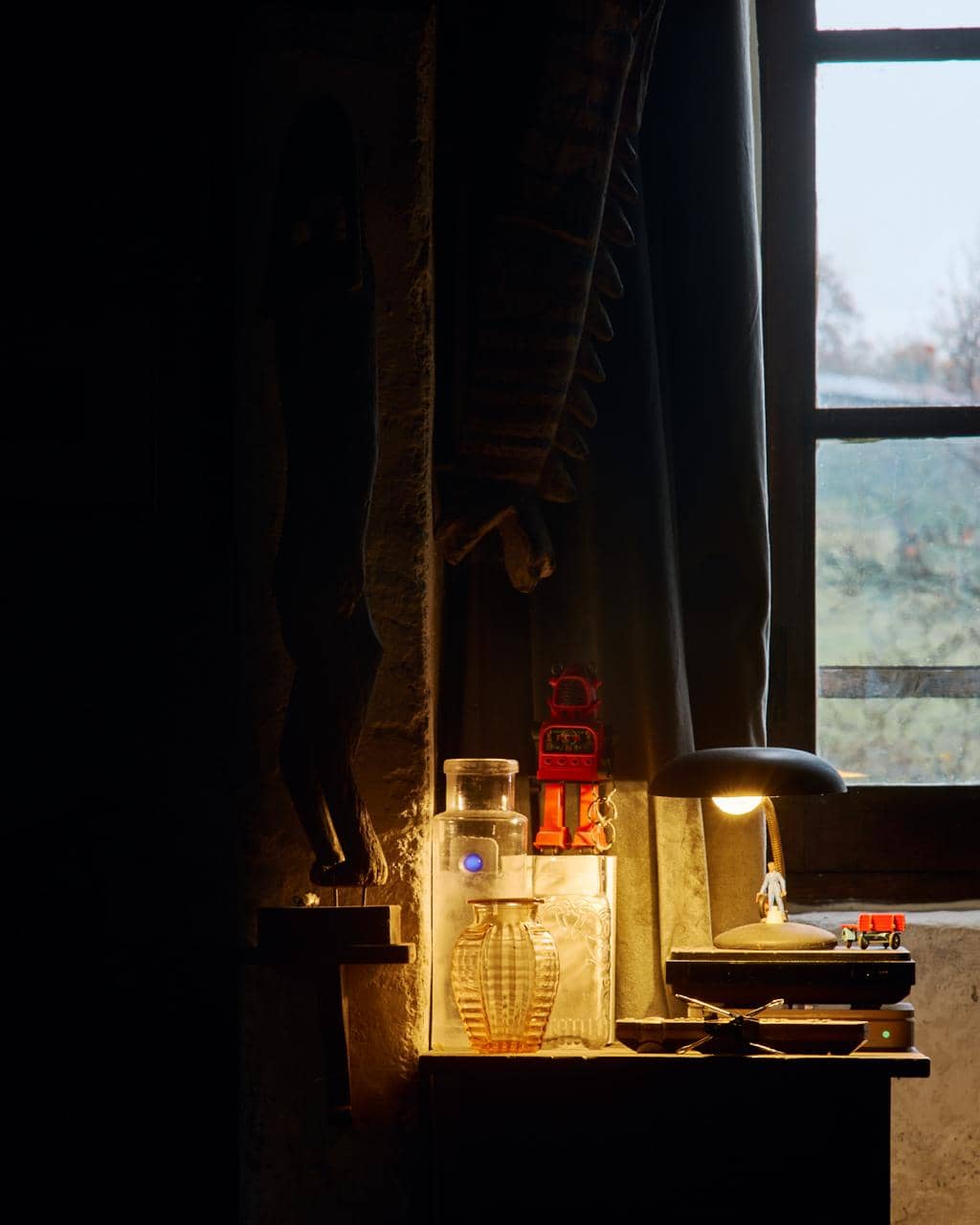
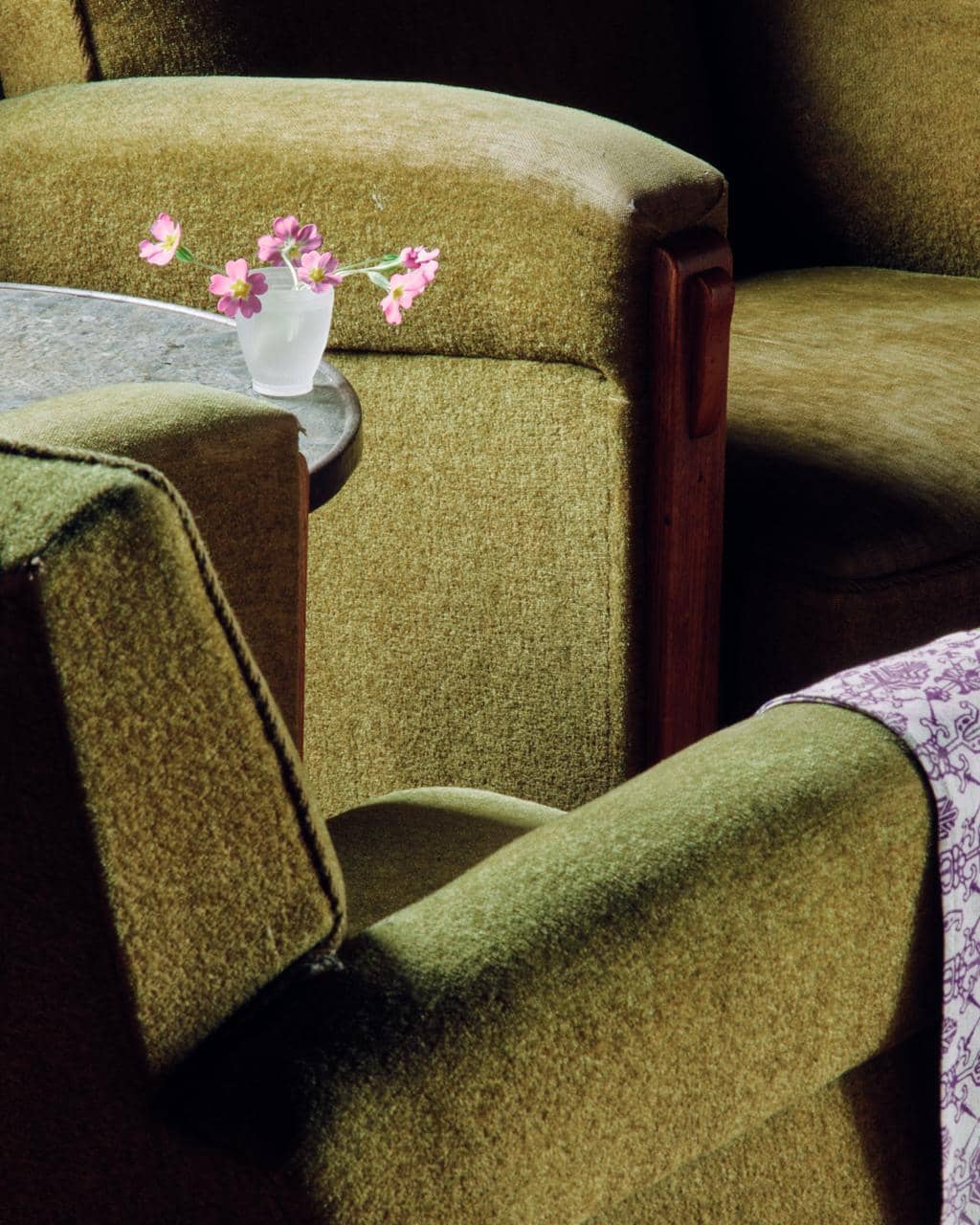
Two olive-green armchairs, dark wood frames, fabric textured and worn. Between them, a small round table holds a translucent white vase with a sprig of tiny pink flowers. Warm light. In the foreground, a hint of purple and white patterned textile on a chair arm. The room is still, domestic.
The title says “The very first cover of life magazine.” The first Life cover, November 1936, was Margaret Bourke-White’s photograph of Fort Peck Dam: a monumental concrete spillway, a New Deal project, an image of public ambition. This photograph shows the opposite: a quiet corner, chairs, a vase. The contrast is the point.
Life magazine began by looking outward, at infrastructure, at collective effort. This image looks inward, at private comfort. The chairs are mid‑century modern, a design era that also believed in progress, but here they’re just furniture, slightly worn. The flowers are delicate, almost apologetic.
I’m not sure the photograph earns the comparison. The reference feels like a conceptual shortcut: see how far we’ve shrunk. Yet the image itself is tender. The worn fabric, the soft light, the small flowers—they hold a quiet dignity. Maybe that’s the statement: life, now, is this. Not dams, but chairs. Not collective building, but individual sitting.
The picture is too pretty for its own argument. But the prettiness might be the argument: in 2022, this is what cover‑worthy life looks like. I wish it looked a little less comfortable.